
Cellulose insulation is a blown-in, recycled-fiber thermal material that fills attics, walls, and cavities to stop heat loss, making it one of the most effective insulation solutions for Chicago’s extreme winters and humid summers. Qute Insulation is a certified cellulose insulation installer serving Chicagoland and Northwest Indiana, including Gary, Crown Point, Hammond, and Munster. We use professional-grade commercial blower equipment, not the underpowered rental machines available at hardware stores.
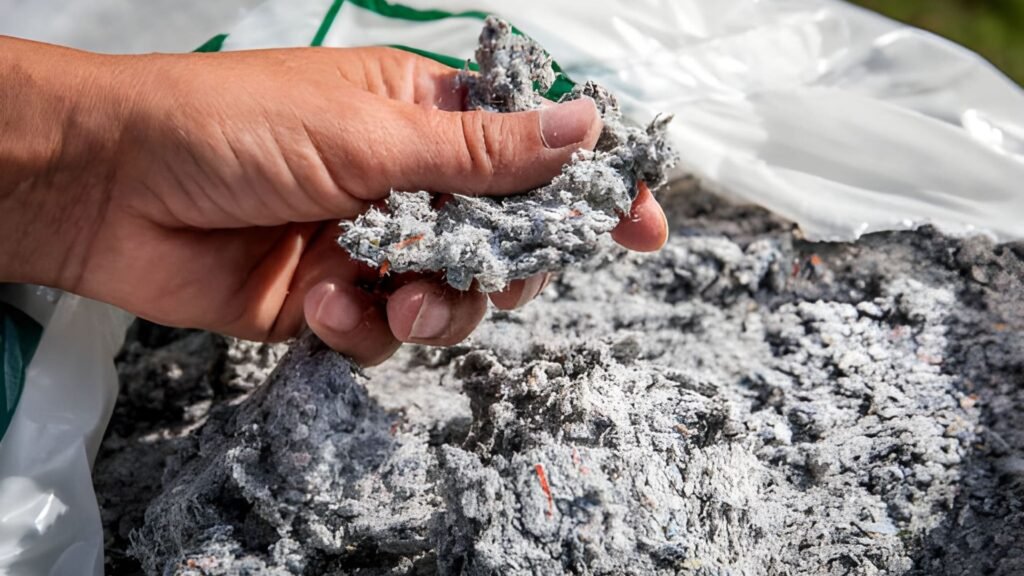
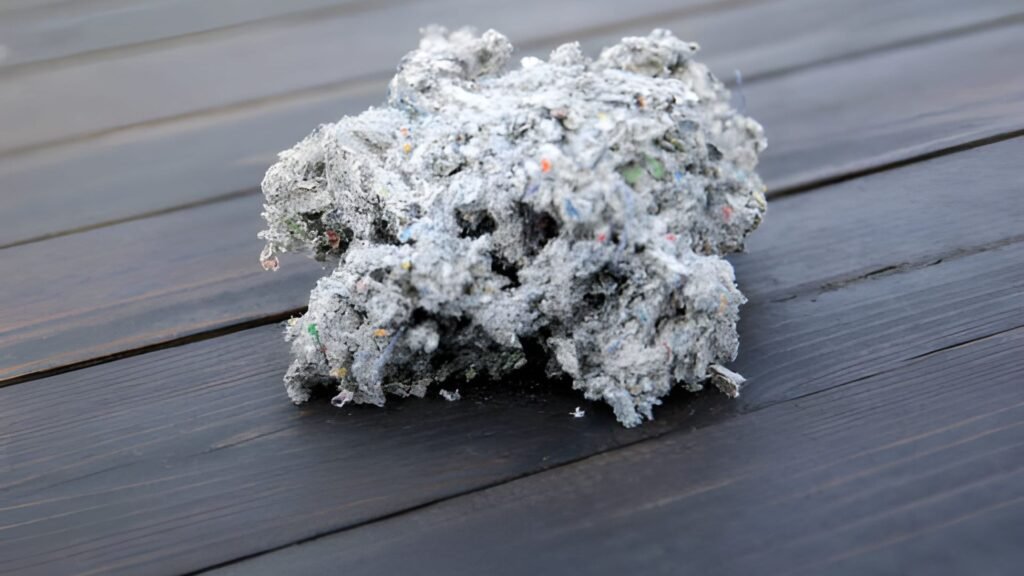
Cellulose insulation is made from 75–85% post-consumer recycled paper fiber, primarily newspapers and cardboard, treated with borate compounds for fire resistance and pest deterrence. Blown-in installation allows the material to fill irregular cavities, attic bypasses, and stud cavities that fiberglass batts routinely miss, delivering R-3.2 to R-3.8 per inch of thermal resistance.
For older Chicago and NW Indiana homes with significant air infiltration, cellulose insulation is the highest-performing loose-fill option because its dense, irregular fiber mass resists air movement far better than fiberglass rolls at equivalent depths.
Professional cellulose installation delivers four measurable advantages for Chicagoland homeowners.
For IECC Climate Zone 5, which covers all of Chicagoland and Northwest Indiana, the DOE recommends attic insulation of R-38 to R-60. At R-3.5 per inch, blown-in cellulose reaches R-49 at roughly 14 inches of depth. Because cellulose fills gaps and air channels that fiberglass batts leave open, it delivers more effective thermal resistance in real-world Chicagoland winter conditions.
Cellulose insulation contains 75–85% post-consumer recycled content, primarily reclaimed newspaper and cardboard making it one of the most environmentally responsible insulation materials available. Borate compounds used for fire and pest resistance are naturally derived and low-toxicity, offering a cleaner alternative to synthetic chemical treatments. For Chicagoland homeowners who want to reduce their carbon footprint without sacrificing thermal performance, cellulose is the practical choice.
Dense-pack cellulose's mass and irregular fiber structure absorb sound energy more effectively than fiberglass batts of comparable thickness, producing measurably higher STC (Sound Transmission Class) ratings in walls. For homes in urban Chicago neighborhoods near the El, Metra lines, or busy arterial streets, and for NW Indiana homes in mixed-use or high-traffic areas, cellulose wall insulation makes a real acoustic difference.
Properly insulated Chicagoland homes see meaningful reductions in ComEd electricity and Nicor Gas costs, particularly during polar vortex events when heating systems run continuously against subzero temperatures. ENERGY STAR and DOE guidelines both identify attic insulation as the single highest-return energy efficiency upgrade for Climate Zone 5 homeowners. In the Chicagoland and NW Indiana resale market, documented insulation upgrades are a recognized value driver.
Posted on Google
 Terry Browne
Trustindex verifies that the original source of the review is Google.
I Received A Great Quote, & Derrick Is Very Professional,He Explained Everything In Detail, He Gets An A +++ 🙏Posted on Google Rod SpencerExcellent work and very professional. Blew installation into my split-level inside wall. Performed the job from the top level of the inside wall and the bottom. I highly recommend this company. 5 Stars *****Posted on Google
 Billy BurseGreat folks and great workPosted on Google
 Ellie CastilloI processed my request online and Derrick contacted me within minutes to schedule an in person quote he matched price and schedule the same week my work. Very responsible, professional and everything was done within hours they left my house cleaned and very happy with their job !!! 100% recommended!!Posted on Google
 Mark MaysAttic installation was done well and price was reasonable.Posted on Google
 Christine ZylstraAfter removing my attic insulation completely, cleaning and disinfecting, the team of professionals installed the new insulation in record time. They were very professional and thorough. I can feel the difference in one day. They were polite, helpful and cleaned up completely when the job was finished. I highly recommend this company.
Qute Insulation installs every major cellulose insulation application for Chicagoland and NW Indiana homes.
Machine-distributed loose-fill cellulose for attics and enclosed cavities; achieves seamless coverage without demolition.
High-depth attic coverage that stops heat from escaping through the roof in January and entering during July.
Fills existing wall cavities through small access holes; upgrades older Chicago homes without opening finished walls.
High-density installation in wall stud cavities and floor assemblies; maximizes air sealing and reduces thermal bridging.
Installed during framing for optimal thermal and acoustic performance from the first day of occupancy.
The ideal upgrade solution for older Chicago bungalows, two-flats, and NW Indiana ranch homes needing a full thermal envelope improvement.
Every Qute Insulation project follows a consistent five-step process from assessment to cleanup.

We evaluate existing insulation depth, identify attic bypasses and air leakage points, check for moisture damage or pest activity, and document current R-value before recommending any work.

Our team calculates the exact insulation depth needed to meet IECC Climate Zone 5 targets for your specific home, factoring in current conditions, attic square footage, and the 15–20% settling rate of blown-in cellulose.
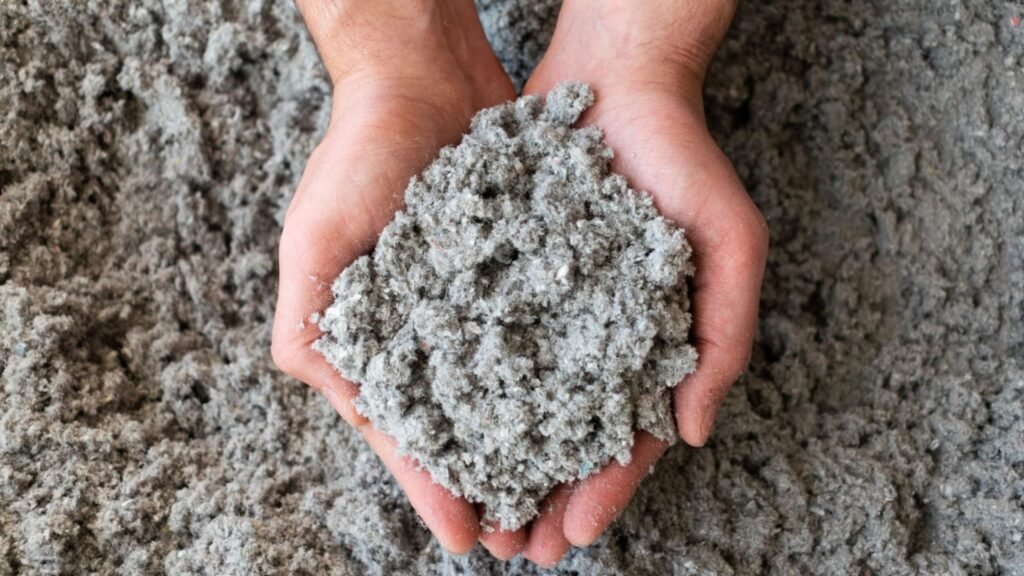
We seal attic bypasses, protect soffit vents, cover living space access points, and set up our commercial-grade blower equipment, none of which a rental machine can replicate in density or output.
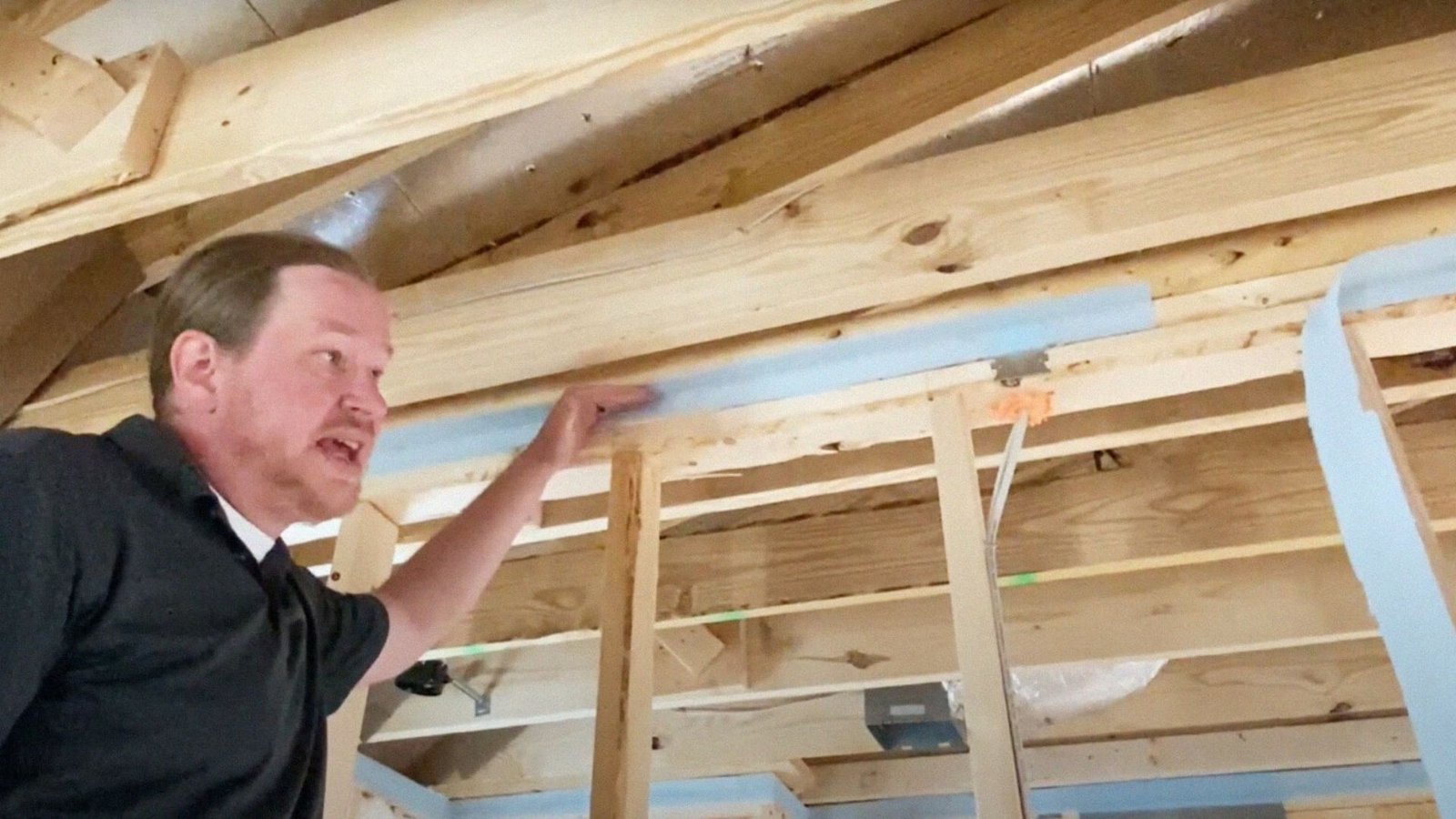
Our team installs cellulose to the specified depth using professional blower equipment, verifying uniform coverage with depth markers and confirming bag count against the manufacturer's coverage chart throughout installation.

We measure insulation depth at multiple points, confirm R-value compliance, remove all installation materials and debris, and walk you through completed work before leaving your home.
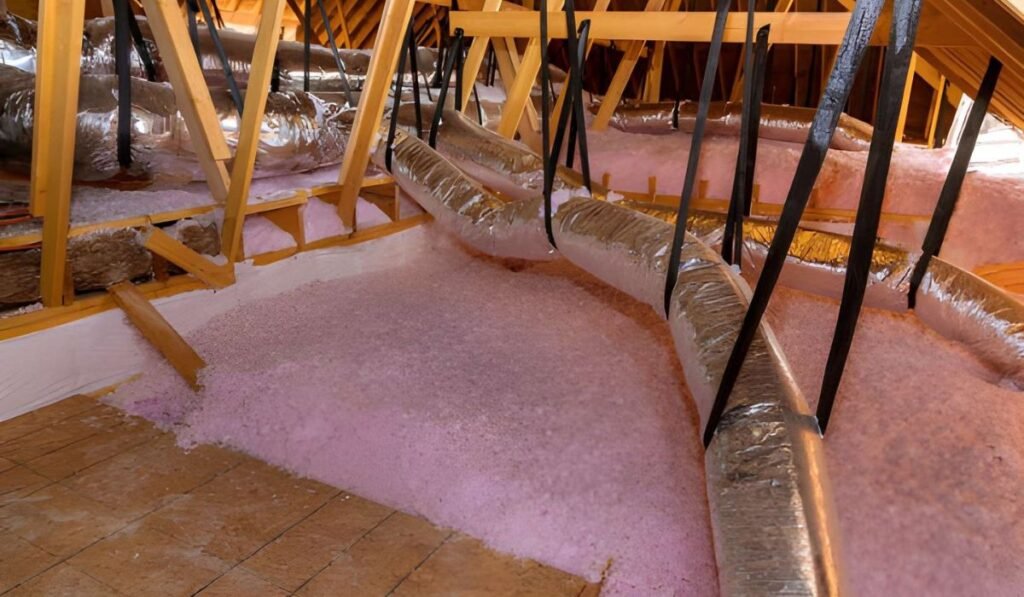
Blown-in cellulose attic insulation in the Chicagoland and NW Indiana market typically costs $1.00–$2.50 per square foot installed; dense-pack cellulose for wall cavities runs $2.00–$4.00 per square foot, depending on access, depth, and current insulation conditions. Factors affecting your total include attic square footage, the number of bags required, and whether existing material needs removal first. Contact Qute Insulation for a free, written estimate specific to your home and current insulation state.

Spray foam insulation, whether open-cell or closed-cell, seals air junctions more completely than cellulose but costs three to five times more per square foot installed. For attic volume coverage in older Chicago bungalows, blown-in cellulose is the cost-effective and proven choice; spray foam makes more sense for targeted air sealing applications like rim joists and foundation sill plates in NW Indiana new construction.
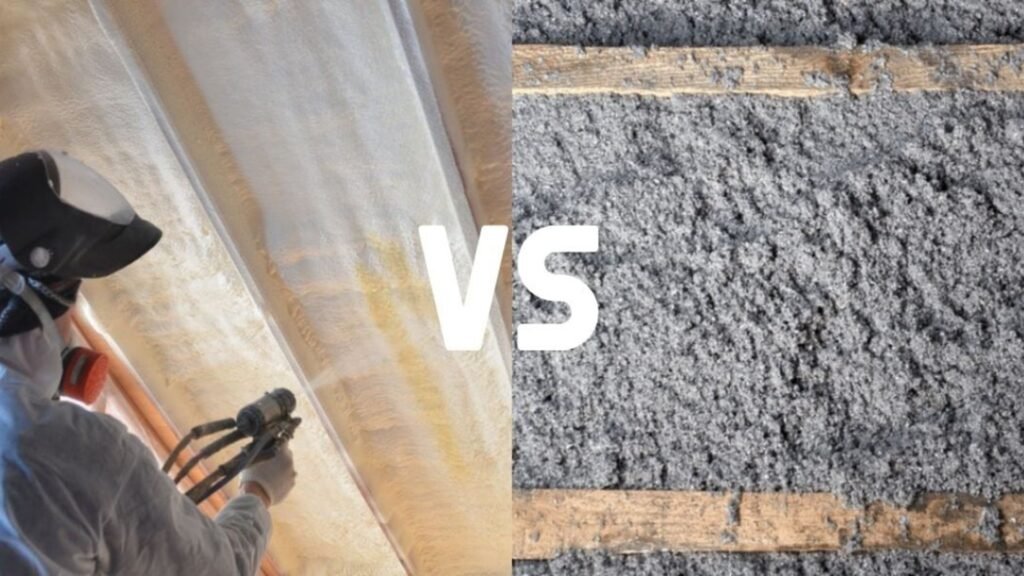
Spray foam insulation, whether open-cell or closed-cell, seals air junctions more completely than cellulose but costs three to five times more per square foot installed. For attic volume coverage in older Chicago bungalows, blown-in cellulose is the cost-effective and proven choice; spray foam makes more sense for targeted air sealing applications like rim joists and foundation sill plates in NW Indiana new construction.
Qute Insulation's installers are trained professionals with hands-on experience in Chicagoland's most common home types, brick bungalows, postwar two-flats, and NW Indiana ranch homes, where attic bypasses, knob-and-tube clearance zones, and limited access points require real installer knowledge, not just equipment. Our team understands local building envelopes in ways that matter when the temperature drops past zero.
Qute Insulation's installers are trained professionals with hands-on experience in Chicagoland's most common home types, brick bungalows, postwar two-flats, and NW Indiana ranch homes, where attic bypasses, knob-and-tube clearance zones, and limited access points require real installer knowledge, not just equipment. Our team understands local building envelopes in ways that matter when the temperature drops past zero.
Qute Insulation's installers are trained professionals with hands-on experience in Chicagoland's most common home types, brick bungalows, postwar two-flats, and NW Indiana ranch homes, where attic bypasses, knob-and-tube clearance zones, and limited access points require real installer knowledge, not just equipment. Our team understands local building envelopes in ways that matter when the temperature drops past zero.
Our team knows Climate Zone 5 R-value requirements, Illinois and Indiana residential energy codes, and the specific insulation challenges that lake-effect cold and Chicagoland's seasonal extremes create for local homeowners. Crown Point, Homewood, Joliet, and Monee each present different home types and exposures, and we've worked in all of them.
Qute Insulation serves homeowners across Chicagoland and Northwest Indiana, bringing professional blown-in cellulose installation and honest, transparent pricing to every community in our service area — from older Chicago-adjacent suburbs to rural Indiana homes facing the full force of Midwest winters.
Flossmoor, IL | Homewood, IL | Park Forest, IL | Monee, IL | Joliet, IL | Chicago, IL | Naperville, IL | Aurora, IL | Elgin, IL | Schaumburg, IL | Orland Park, IL | Tinley Park, IL | Oak Lawn, IL | Berwyn, IL | Cicero, IL
Gary, IN | Crown Point, IN | Hammond, IN | East Chicago, IN | Whiting, IN | Griffith, IN | Highland, IN | Munster, IN | Dyer, IN | Schererville, IN | Merrillville, IN | Hobart, IN | Portage, IN | Valparaiso, IN | Lake Station, IN
Cellulose insulation, including Greenfiber and comparable borate-treated products, is non-toxic after installation and meets ASTM C739 fire-resistance standards. Our installers wear respirator masks, safety glasses, and gloves throughout the blowing process; family members and pets should stay clear of the work area during installation, but can return immediately after. Modern cellulose contains no asbestos it is made entirely from recycled paper fiber, not mineral material.
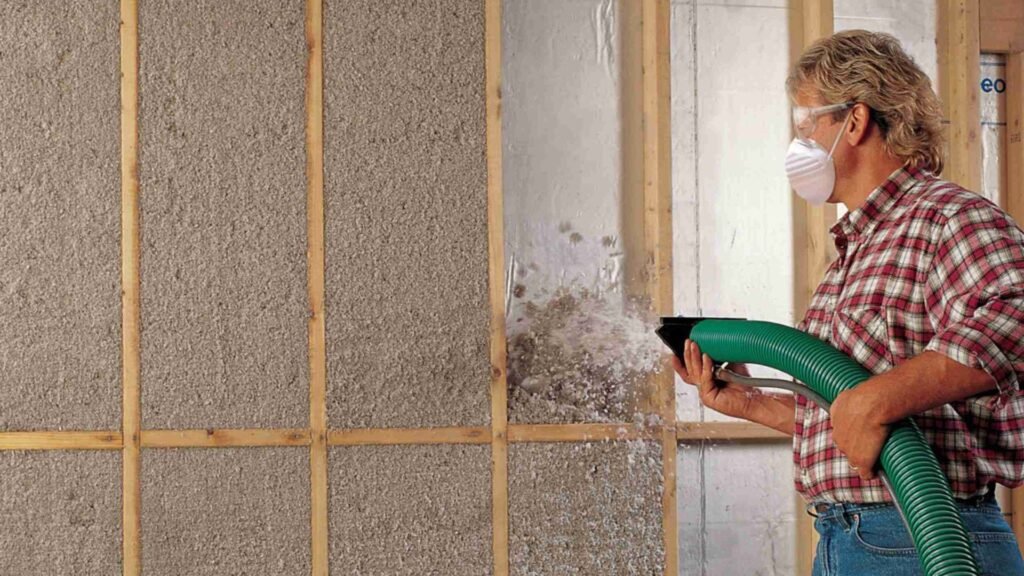
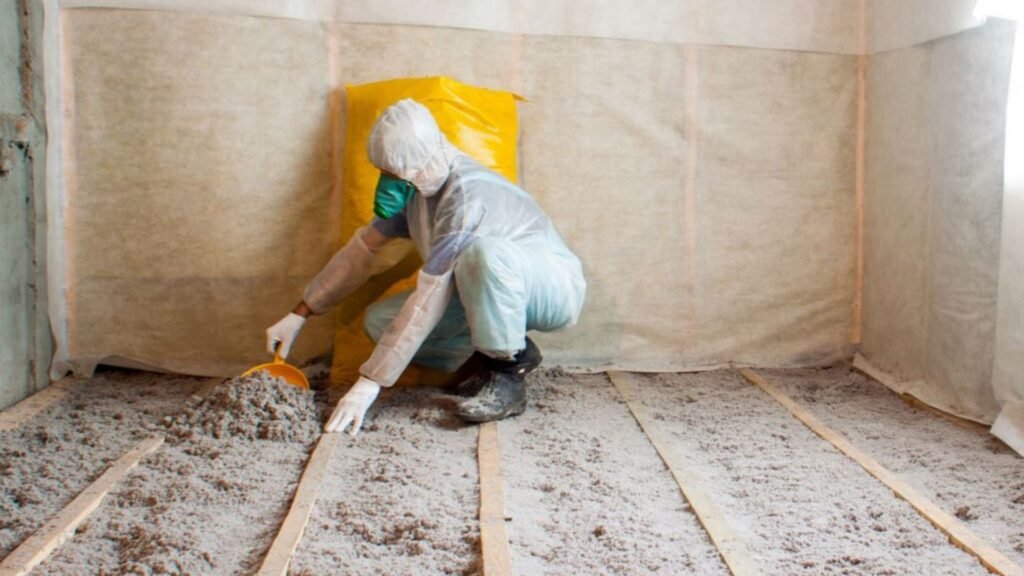
Professionally installed cellulose insulation lasts 20–30 years under normal conditions, with our installers accounting for the 15–20% settling rate in the initial installation depth, so your R-value target is met after settling. Inspect your Chicagoland attic every ten years for moisture staining from roof leaks, pest disturbance, or compression from stored items. Any of these can reduce the effective R-value and warrant a professional assessment.
Cellulose insulation is made from 75–85% recycled paper fiber treated with borate compounds for fire resistance. It is blown into attics, walls, and enclosed cavities using commercial equipment, where it fills every gap, bypass, and irregular space to create a continuous thermal barrier. The trapped fiber mass resists heat transfer, delivering R-3.2 to R-3.8 per inch of installed depth.
Most Lynwood jobs can be completed within 1–3 days after inspection, depending on attic size and accessibility. Because our crew works exclusively in the South Cook County area, we can often fit you in faster than out-of-town companies.
Absolutely. Many Lynwood houses built in the 1960s-80s use older wiring systems, so we take special care to inspect and separate electrical lines before blowing insulation. We always follow Cook County electrical safety codes.
Generally, attic or wall insulation doesn’t require a formal permit in Lynwood if there’s no structural modification. However, for large remodels, we coordinate with the Lynwood Building Department to stay fully compliant.
On average, homeowners in Lynwood pay around $1.50–$2.00 per square foot for cellulose insulation, depending on the depth and area treated. We offer free attic assessments so you’ll know exactly what to expect before any work begins.
Yes — that’s where cellulose really shines. It retains heat during those windy January nights off Lake Michigan and resists moisture better than fiberglass during humid July weeks.
Definitely. We’re minutes away via Torrence Avenue, so same-day site visits or quick inspections in that area are no problem at all.
For IECC Climate Zone 5, which covers all of Northwest Indiana and Chicagoland, the DOE recommends attic insulation of R-49 to R-60. At R-3.5 per inch, blown-in cellulose reaches R-49 at approximately 14 inches of settled depth. Our installers account for the 15–20% settling rate by installing extra depth upfront, so your attic meets the R-49 target after settling is complete.
Pros: highest recycled content of any insulation (75–85%), fills irregular cavities completely, strong air-movement resistance, effective sound dampening, and competitive installed cost. Cons: absorbs moisture if exposed to water leaks (requires a dry attic), settles 15–20% after installation (installers must over-fill to compensate), and requires professional equipment for proper installation. For most Chicagoland attic and wall projects, the pros significantly outweigh the cons.
Old cellulose is removed using industrial HEPA-filtered vacuum equipment that collects the material into sealed bags without releasing fiber dust into your living space. Removal is necessary when cellulose is water-damaged, pest-contaminated, or compressed beyond useful R-value. After removal, we clean and prep the area before installing fresh cellulose to current R-value targets. Most attic removal and replacement projects in Chicagoland are completed in a single day.
Yes. Qute Insulation is a locally owned cellulose insulation company based in Lynwood, Illinois. We provide cellulose insulation services across Chicago’s south suburbs, including Homewood, Flossmoor, Park Forest, and Joliet, and across Northwest Indiana, including Gary, Crown Point, Hammond, and Munster. Same-week scheduling is available with no additional travel charges.
Blown-in cellulose attic insulation costs $1.00–$2.50 per square foot installed in the Chicago and NW Indiana market. Dense-pack cellulose for wall cavities costs $2.00–$4.00 per square foot. A typical full attic project runs $1,200–$3,500 depending on attic size and current conditions. Nicor Gas and ComEd rebates may apply. Contact Qute Insulation for a free written estimate specific to your home.
Chicagoland winters don’t wait, and every heating season in an under-insulated home costs you money on ComEd and Nicor Gas bills that blown-in cellulose would have saved. Qute Insulation brings certified installers, commercial-grade blower equipment, and honest upfront pricing to Gary, Crown Point, Flossmoor, Homewood, Park Forest, Monee, Joliet, and communities throughout Chicagoland and NW Indiana. Call [1-708-808-7870] or request your free estimate today. Don’t wait until winter hits.