
Qute Insulation installs fiberglass blanket rolls, spray foam, radiant barrier, and rigid foam board insulation for steel buildings across Chicagoland and Northwest Indiana, controlling condensation, cutting energy costs, and protecting steel structures from moisture damage year-round.
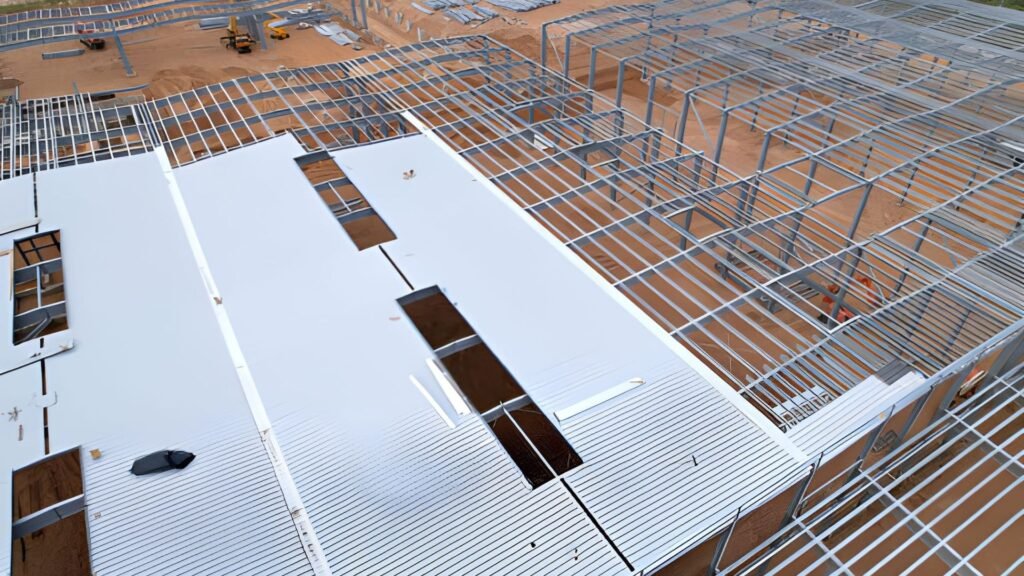
Steel conducts heat and cold straight through its panels. The red iron frame creates thermal bridging, and without a vapor barrier, condensation drips from your roof onto inventory and equipment every Chicagoland winter. Qute Insulation installs professional steel-building insulation systems throughout Chicagoland and NW Indiana for commercial, agricultural, and industrial properties.
Choosing the right system matters. Fiberglass blanket rolls, spray foam, radiant barrier, rigid foam board, and insulated steel panels each solve different problems. Getting it right for IECC Climate Zone 5 means year-round energy efficiency, condensation control, and long-term protection for your warehouse, garage, or pre-engineered steel structure.
Choosing the right system matters. Fiberglass blanket rolls, spray foam, radiant barrier, rigid foam board, and insulated steel panels each solve different problems. Getting it right for IECC Climate Zone 5 means year-round energy efficiency, condensation control, and long-term protection for your warehouse, garage, or pre-engineered steel structure.
Condensation drips from uninsulated steel roofs every winter, damaging stored goods and rusting your red iron frame. A proper insulation system with a vapor barrier stops it completely.
ASHRAE 90.1 recommends R-19 or higher for steel building roofs in IECC Climate Zone 5. Fiberglass blanket rolls deliver R-11 through R-38 per system. Closed-cell spray foam adds R-6 to R-7 per inch for maximum thermal performance in NW Indiana steel structures.
Rain on steel panels, industrial equipment, and nearby traffic echoes loudly inside uninsulated steel buildings. Both fiberglass blanket insulation and spray foam absorb sound and improve working conditions delivering measurable STC improvement inside Chicagoland warehouses and manufacturing facilities.
An uninsulated pre-engineered steel building loses heat rapidly in winter and becomes an oven in July driving ComEd and Nicor Gas costs higher every month. Proper insulation reduces those bills significantly and increases the resale value of your steel structure in the Chicagoland and NW Indiana commercial market.
Posted on GoogleTrustindex verifies that the original source of the review is Google. I Received A Great Quote, & Derrick Is Very Professional,He Explained Everything In Detail, He Gets An A +++ 🙏Posted on GoogleTrustindex verifies that the original source of the review is Google. Excellent work and very professional. Blew installation into my split-level inside wall. Performed the job from the top level of the inside wall and the bottom. I highly recommend this company. 5 Stars *****Posted on GoogleTrustindex verifies that the original source of the review is Google. Great folks and great workPosted on GoogleTrustindex verifies that the original source of the review is Google. I processed my request online and Derrick contacted me within minutes to schedule an in person quote he matched price and schedule the same week my work. Very responsible, professional and everything was done within hours they left my house cleaned and very happy with their job !!! 100% recommended!!Posted on GoogleTrustindex verifies that the original source of the review is Google. Attic installation was done well and price was reasonable.Posted on GoogleTrustindex verifies that the original source of the review is Google. After removing my attic insulation completely, cleaning and disinfecting, the team of professionals installed the new insulation in record time. They were very professional and thorough. I can feel the difference in one day. They were polite, helpful and cleaned up completely when the job was finished. I highly recommend this company.
Qute Insulation installs every major building insulation system for commercial, industrial, and agricultural properties.
Most cost-effective solution; vinyl-faced fiberglass rolls designed for steel building roof and wall insulation systems.
Continuous vinyl-faced fiberglass rolls installed between steel roof and wall panels; available in R-11 through R-38.
Closed cell spray foam bonds directly to steel panels; eliminates condensation and delivers R-6 to R-7 per inch.
Prevents heat transfer through the roof of commercial and agricultural steel buildings throughout Chicagoland and NW Indiana.
Pre-engineered insulated wall and roof panels for new steel building construction and retrofit projects across Chicagoland.
Foam board panels added to interior steel walls and ceilings for enhanced R-value, moisture resistance, and thermal break.
Upgrading existing steel buildings with new insulation to restore energy efficiency and eliminate condensation problems.
Reflective insulation that deflects radiant heat away from steel roofs during hot Chicagoland summers.
Large-scale fiberglass blanket, spray foam, and panel systems for warehouses and pre-engineered steel buildings across NW Indiana.
Every Qute Insulation project follows a clear five-step process from inspection to final walkthrough.

We inspect the existing insulation, steel panel condition, vapor barrier status, condensation areas, moisture or rust damage, and framing to assess the building's use and climate targets.
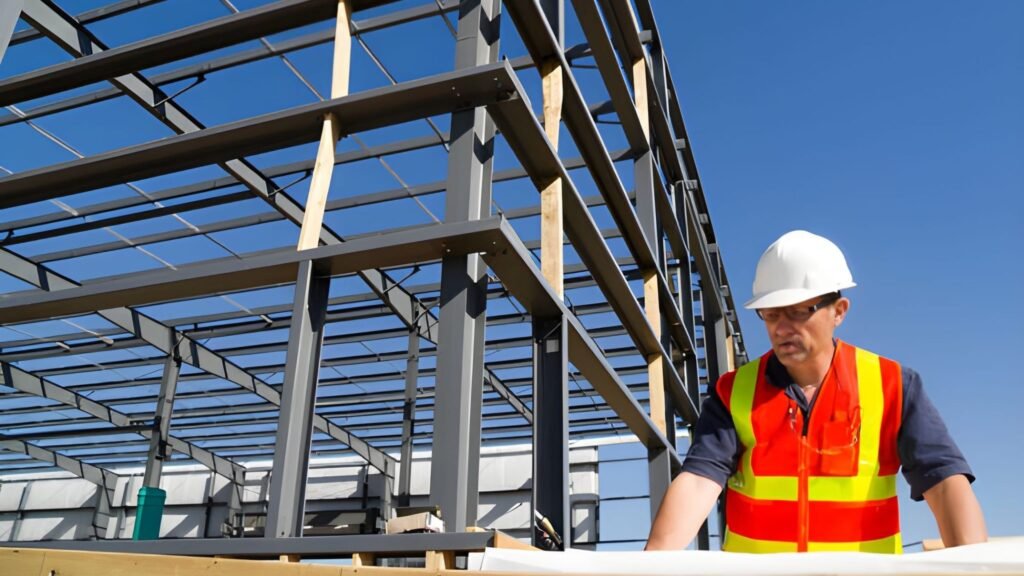
We recommend the correct system, fiberglass blanket rolls, spray foam, radiant barrier, foam board, or insulated panels, based on ASHRAE 90.1 and IECC Climate Zone 5 requirements.

We clean steel panel surfaces, address moisture or rust issues, protect interior contents, and set up proper ventilation before spray foam application begins.

We install the selected system per manufacturer specs and ASHRAE 90.1 commercial standards including vapor barrier installation and seam taping on all blanket roll and foam board joints.

We inspect R-value coverage, vapor barrier integrity, seam sealing, and condensation risk areas; verify IECC Climate Zone 5 compliance; complete full cleanup and owner walkthrough.

Here are the real installed price ranges for the Chicagoland and NW Indiana market:
Cost depends on building size, insulation system, R-value required, and roof versus wall application. Most Chicagoland building owners recover the investment through ComEd and Nicor Gas savings within a few years. Contact Qute Insulation for a free commercial estimate.


For most Chicagoland steel building owners, fiberglass blanket rolls are the most cost-effective choice for large roof and wall areas, while closed-cell spray foam is best for eliminating condensation and achieving maximum air sealing on steel panels. Fiberglass blanket requires a vapor barrier and seam tape; spray foam bonds directly to steel and seals everything in one application.
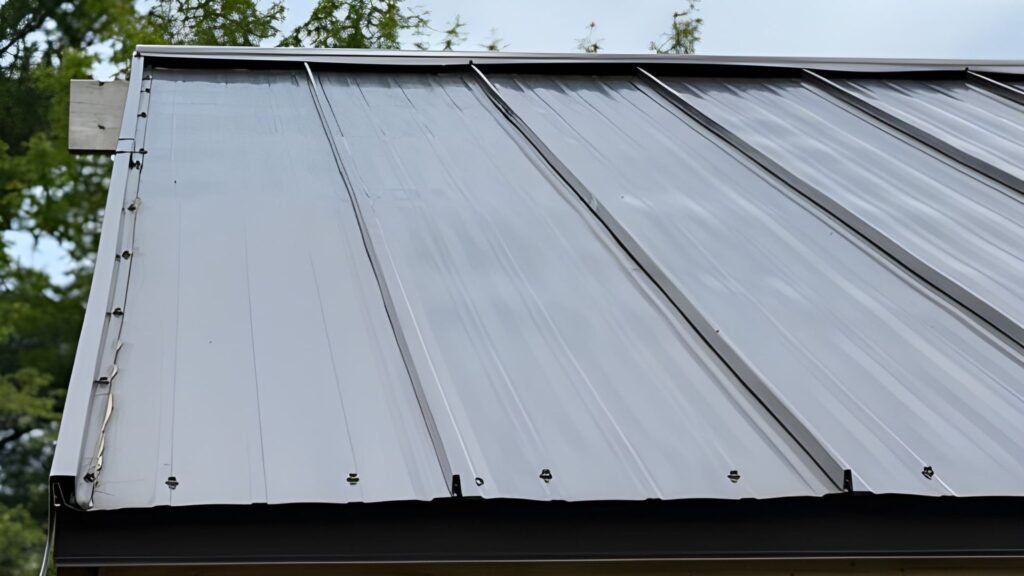
In Chicagoland’s cold climate, rigid foam board provides more reliable year-round thermal resistance, while radiant barrier insulation works best as a supplemental layer for summer heat reduction in steel roofs. Foam board delivers R-4 to R-6 per inch of real thermal resistance. Radiant barrier alone is not sufficient for NW Indiana winters it performs best paired with a fiberglass blanket system.
Our SPFA-certified spray foam applicators and commercial insulation installers are licensed, insured, and trained for pre-engineered steel building systems across Chicagoland.
We use commercial-grade fiberglass blanket rolls, professional spray foam rigs, foam board, and radiant barrier materials, including the Simple Saver System, all meeting ASHRAE 90.1 and IECC Climate Zone 5 requirements.
Written commercial quotes specify insulation system, R-value, square footage, and full pricing before work starts. Free estimates available from Gary, IN to Joliet, IL.
Our team knows IECC Climate Zone 5, ASHRAE 90.1, Illinois and Indiana commercial codes, and the specific condensation challenges of Chicagoland's lake-effect steel building climate.
Qute Insulation serves commercial, industrial, and agricultural steel building owners across Chicagoland and NW Indiana for both new construction insulation and retrofit upgrades on existing pre-engineered steel structures throughout the region.
Flossmoor, IL | Homewood, IL | Park Forest, IL | Monee, IL | Joliet, IL | Chicago, IL | Naperville, IL | Aurora, IL | Elgin, IL | Schaumburg, IL | Orland Park, IL | Tinley Park, IL | Oak Lawn, IL | Berwyn, IL | Cicero, IL
Gary, IN | Crown Point, IN | Hammond, IN | East Chicago, IN | Whiting, IN | Griffith, IN | Highland, IN | Munster, IN | Dyer, IN | Schererville, IN | Merrillville, IN | Hobart, IN | Portage, IN | Valparaiso, IN | Lake Station, IN
Not sure if we serve your area? Call us we cover a wide range of Chicagoland and Northwest Indiana communities for commercial and agricultural metal building insulation.
Spray foam in enclosed steel structures requires full PPE respirator, protective suit, and gloves with proper ventilation and a 24-hour re-entry time after application. Fiberglass blanket installation requires respiratory protection and safety glasses. All systems are installed per manufacturer specifications and ASHRAE 90.1 commercial standards. Qute Insulation is licensed, insured, and fully compliant on every project.
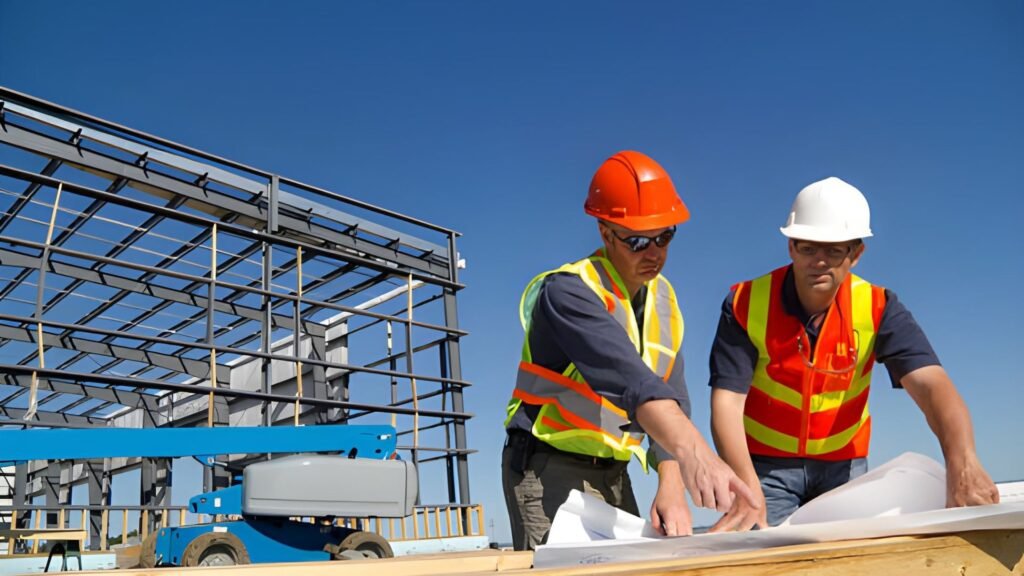
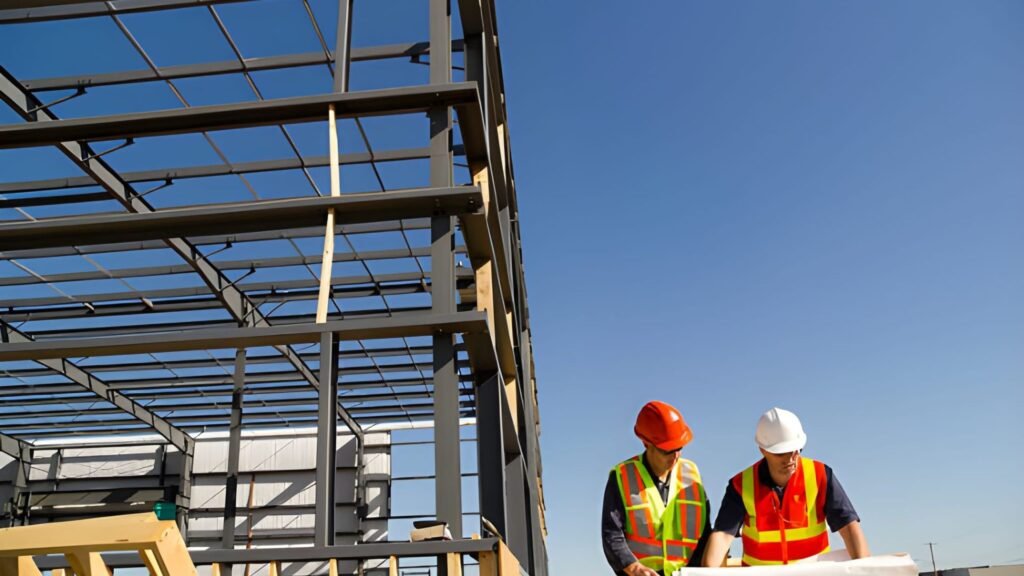
Properly installed steel building insulation lasts 20 to 30 years. We recommend an annual inspection to check vapor barrier integrity, seam tape on fiberglass blanket rolls, and any condensation or pest intrusion points. Closed cell spray foam on steel panels requires no ongoing maintenance. Retrofit insulation can restore full R-value and eliminate condensation in any existing Chicagoland steel building.
Steel building insulation includes fiberglass blanket rolls, spray foam, rigid foam board, radiant barrier, and insulated panels. Without insulation, steel conducts heat and cold rapidly causing condensation in winter, extreme heat in summer, and moisture damage to stored equipment and inventory inside your Chicagoland steel building.
Fiberglass blanket rolls are installed between steel roof and wall purlins before panel attachment in new construction. For existing buildings, spray foam or rigid foam board applies to interior panel surfaces. A vapor barrier is always required in Chicagoland’s cold climate to prevent condensation from forming on steel panels.
Vinyl-faced fiberglass blanket rolls are the most cost-effective solution for large roof and wall areas. Closed-cell spray foam is best for maximum condensation control and air sealing. The right system depends on your building use, R-value requirement, and ASHRAE 90.1 compliance needs for IECC Climate Zone 5.
Fiberglass blanket roll insulation is the most affordable option, starting at $0.40–$1.40 per square foot installed in the NW Indiana market. For storage-only buildings, a basic R-11 fiberglass blanket or radiant barrier system provides cost-effective condensation protection at the lowest upfront investment.
For commercial steel buildings in IECC Climate Zone 5, R-19 fiberglass blanket rolls combined with closed-cell spray foam at condensation-prone joints is the most effective system. This combination addresses both thermal performance and condensation, the two critical factors for any Chicagoland commercial steel building.
here are five main types: fiberglass blanket rolls, spray foam, rigid foam board, radiant barrier insulation, and insulated steel panels. The right choice depends on building use, budget, R-value target, and whether your structure is new construction or a retrofit. Qute Insulation provides free assessment and written recommendations.
ASHRAE 90.1 recommends R-19 or higher for steel building roofs in IECC Climate Zone 5 and R-13 or higher for walls. Agricultural and storage buildings typically use R-11 to R-19 fiberglass blanket systems. Heated commercial facilities should target R-19 to R-38 for maximum ComEd and Nicor Gas savings.
Fiberglass blanket rolls cost $0.40–$1.40 per square foot; closed cell spray foam $1.40–$3.40; radiant barrier $0.30–$0.80; rigid foam board $1.00–$2.40; insulated steel panels $3.00–$8.00 per square foot for new construction. Total cost depends on building size, system type, and R-value. Free estimates from Qute Insulation.
Yes, existing steel buildings in Gary, Joliet, and across Chicagoland and NW Indiana can be retrofitted with spray foam on interior steel panels, rigid foam board on interior walls, or insulated panel systems for major upgrades. Qute Insulation provides free retrofit assessments and written commercial quotes for all projects.
Insulated steel panels are pre-engineered sandwich panels with foam core built in during manufacturing, best for new construction. Spray foam is applied on-site to existing or new steel panels for condensation control and air sealing. Spray foam is more flexible for retrofits; insulated panels deliver a finished system from day one.
Start improving your home’s comfort and efficiency today!
Call 1-708-808-7870 or click Request a Free Quote to schedule your no-obligation inspection.
Our friendly team is ready to help you save money from day one.