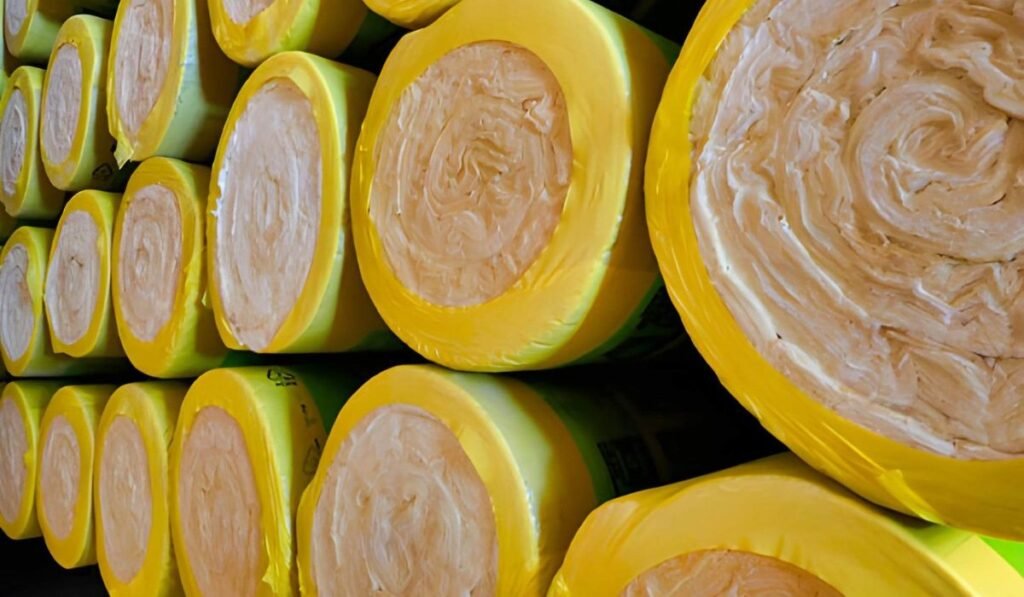
Fiberglass insulation is one of the most effective thermal barriers available for homes in the Chicagoland region. Qute Insulation is a certified fiberglass insulation installer serving Chicagoland and Northwest Indiana, including Gary, Crown Point, Hammond, and Munster. We install Owens Corning fiberglass insulation to help homeowners reduce heating costs, eliminate cold drafts, and protect their homes from the region’s extreme seasonal temperature swings.
Posted on Google
 Terry Browne
Trustindex verifies that the original source of the review is Google.
I Received A Great Quote, & Derrick Is Very Professional,He Explained Everything In Detail, He Gets An A +++ 🙏Posted on Google Rod SpencerExcellent work and very professional. Blew installation into my split-level inside wall. Performed the job from the top level of the inside wall and the bottom. I highly recommend this company. 5 Stars *****Posted on Google
 Billy BurseGreat folks and great workPosted on Google
 Ellie CastilloI processed my request online and Derrick contacted me within minutes to schedule an in person quote he matched price and schedule the same week my work. Very responsible, professional and everything was done within hours they left my house cleaned and very happy with their job !!! 100% recommended!!Posted on Google
 Mark MaysAttic installation was done well and price was reasonable.Posted on Google
 Christine ZylstraAfter removing my attic insulation completely, cleaning and disinfecting, the team of professionals installed the new insulation in record time. They were very professional and thorough. I can feel the difference in one day. They were polite, helpful and cleaned up completely when the job was finished. I highly recommend this company.
For Chicagoland and NW Indiana homes, the DOE (U.S. Department of Energy) recommends attic insulation between R-38 and R-60 under IECC Climate Zone 5 standards. Owens Corning fiberglass products consistently deliver on their rated R-value, preventing the heat loss through attics and stud cavities that drives up Nicor Gas bills every January.
Properly installed fiberglass insulation reduces air infiltration, eliminating the cold drafts that Homewood and Park Forest homeowners feel along baseboards and around windows in winter. It also limits summer humidity infiltration from Lake Michigan's moisture-heavy air, helping control indoor moisture levels and reduce conditions that support mold growth in walls and crawl spaces.
Fiberglass batt insulation in interior and exterior walls absorbs airborne sound, improving a room's STC (Sound Transmission Class) rating measurably. For homes near Chicagoland's expressways, rail corridors, or dense suburban neighborhoods, wall insulation provides meaningful noise reduction that improves daily living quality beyond thermal performance alone.
Homes with inadequate insulation routinely see ComEd and Nicor Gas bills spike 30–50% during polar vortex events, costs that professionally installed fiberglass insulation directly reduces. In the Chicagoland and NW Indiana resale market, energy-efficient homes with documented insulation upgrades command stronger buyer interest and appraised value.
Qute Insulation provides professional fiberglass insulation services for every residential application across Chicagoland and Northwest Indiana, from attic upgrades to full wall cavity retrofits.
Pre-cut panels fitted precisely into stud cavities and joist bays in walls and floors; the standard for new construction and open-wall retrofits.
Continuous unfaced rolls ideal for covering large attic floors and crawl spaces with consistent depth and minimal seams.
Machine-distributed loose-fill fiberglass for attics, enclosed wall cavities, and retrofit installations where batts can't reach.
High-R-value attic coverage that prevents heat from escaping through the roof in January and entering during Chicago's humid July heat.
Thermal and sound barrier installed in exterior walls to eliminate thermal bridging and reduce noise infiltration in urban and suburban homes.
Protective wrapping for exposed pipes in unheated garages, crawl spaces, and utility rooms — critical for preventing frozen pipes during NW Indiana's subzero stretches.

Our team evaluates your home's existing insulation depth, R-value, air sealing condition, and thermal envelope gaps, documenting where energy loss is occurring before any work is recommended.
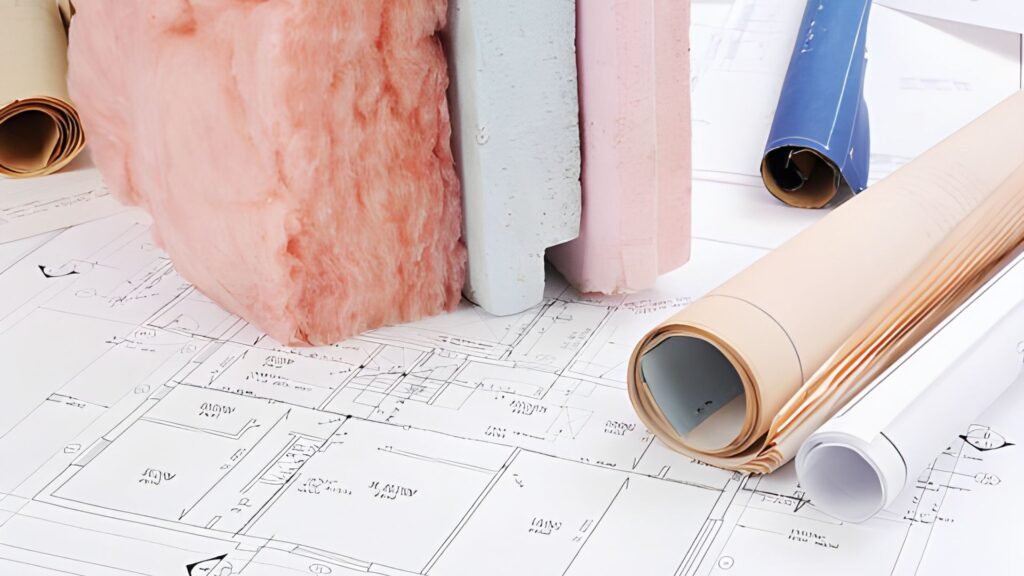
Based on your home's size, construction type, and IECC Climate Zone 5 targets for your specific city, we specify the correct R-value for each area: attic, walls, crawl space, and ductwork.

We clear work areas, seal attic bypasses and air leakage points, and address any moisture or pest issues that must be resolved before new insulation is placed.
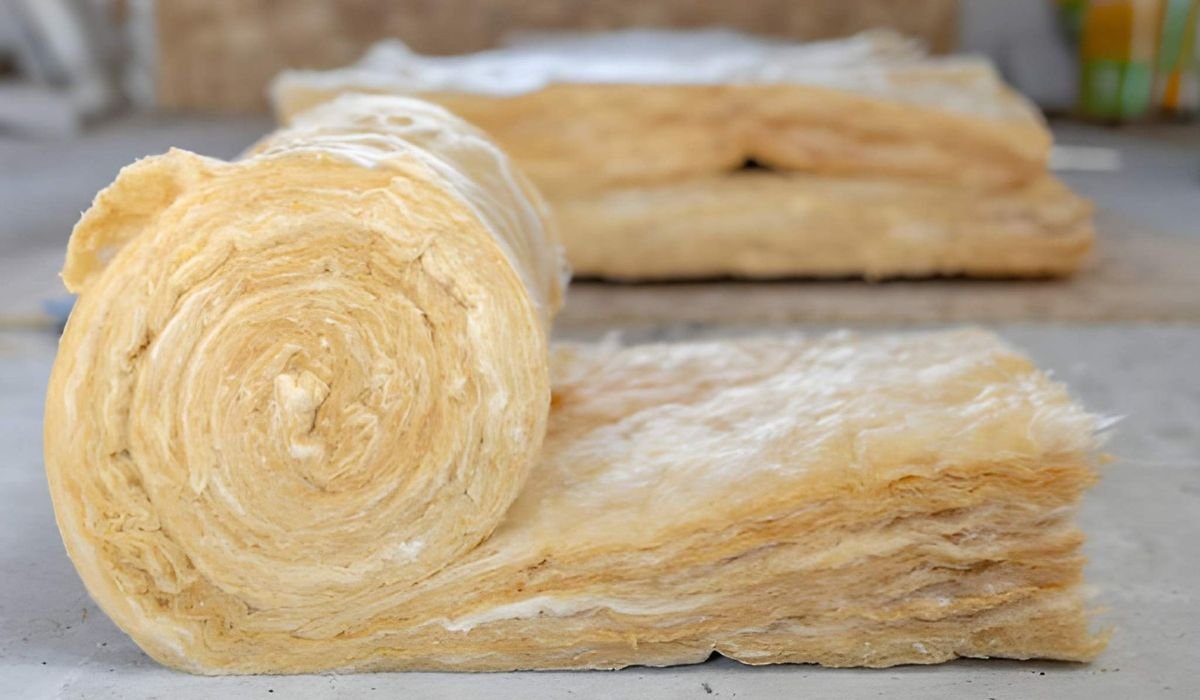
Certified installers place Owens Corning fiberglass insulation to the specified R-value using batts, rolls, or blown-in equipment — matched to each area's access and framing conditions.

We verify insulation depth and coverage, confirm R-value compliance, remove all installation debris, and walk you through the completed work before leaving your home.

Fiberglass insulation installation in the Chicagoland and NW Indiana market typically runs $1.50–$3.50 per square foot installed, depending on R-value target, insulation type, and accessibility. Batt insulation in open wall cavities sits at the lower end; blown-in fiberglass for attic retrofits in older Crown Point, or Flossmoor homes may run higher based on existing conditions and required depth. Most homeowners recover their investment within three to seven years through reduced ComEd and Nicor Gas costs. Contact Qute Insulation for a free, written estimate specific to your home.

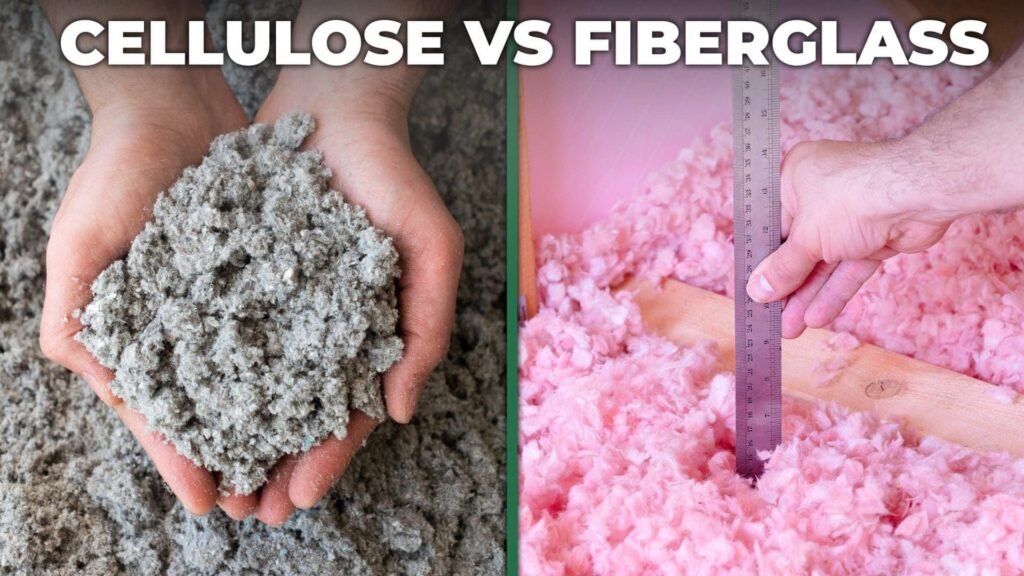
For most Chicago homeowners, fiberglass insulation offers better long-term moisture resistance and fire safety compared to cellulose, because fiberglass is non-combustible by nature while cellulose requires chemical fire retardants. Cellulose also settles over time, reducing its effective R-value in attics, while properly installed Owens Corning fiberglass holds its rating for decades without significant compression.

Spray foam, whether open-cell or closed-cell, provides superior air sealing at three to five times the installed cost of fiberglass. For standard stud cavities and attic floors in older Chicago bungalows and NW Indiana ranch homes, fiberglass batt or blown-in insulation delivers reliable thermal performance at a fraction of the price. Spray foam is most justified in specific applications like rim joist sealing or encapsulated crawl spaces.
Qute Insulation's installation team is trained and certified in building performance standards consistent with BPI (Building Performance Institute) guidelines, with hands-on experience across the full range of Chicagoland and NW Indiana residential construction from postwar brick bungalows to newer framed ranch homes. That field experience shapes every R-value recommendation and installation decision we make.
Owens Corning is one of the most recognized names in insulation manufacturing, with verified R-value performance, consistent quality control, and a non-combustible product profile designed for long-term residential use. Qute Insulation installs Owens Corning fiberglass insulation exclusively across all service areas, so the material backing your home's thermal performance is a product you can research and trust by name.
Every Qute Insulation project starts with a written, itemized estimate broken down by area, material, and labor before a single inch of insulation is installed. We don't adjust pricing after the job starts, and we don't charge differently based on neighborhood, whether your home is in Gary, IN, or Joliet, IL.
We know what Joliet and Crown Point homeowners face every winter, polar vortex cold pushing through under-insulated attic floors, lake-effect drafts infiltrating rim joists, and summer humidity working into uninsulated crawl spaces. That local knowledge informs every assessment we perform, in ways a national chain without roots in this region cannot replicate.
Flossmoor, IL | Homewood, IL | Park Forest, IL | Monee, IL | Joliet, IL | Chicago, IL | Naperville, IL | Aurora, IL | Elgin, IL | Schaumburg, IL | Orland Park, IL | Tinley Park, IL | Oak Lawn, IL | Berwyn, IL | Cicero, IL
Gary, IN | Crown Point, IN | Hammond, IN | East Chicago, IN | Whiting, IN | Griffith, IN | Highland, IN | Munster, IN | Dyer, IN | Schererville, IN | Merrillville, IN | Hobart, IN | Portage, IN | Valparaiso, IN | Lake Station, IN
Qute Insulation’s team follows OSHA handling standards on every job, wearing respirators, safety glasses, nitrile gloves, and full protective suits throughout installation. Owens Corning fiberglass products meet EPA indoor air quality guidelines and are GREENGUARD Gold Certified for low chemical emissions, meaning your family can return to normal home use the same day installation is complete.

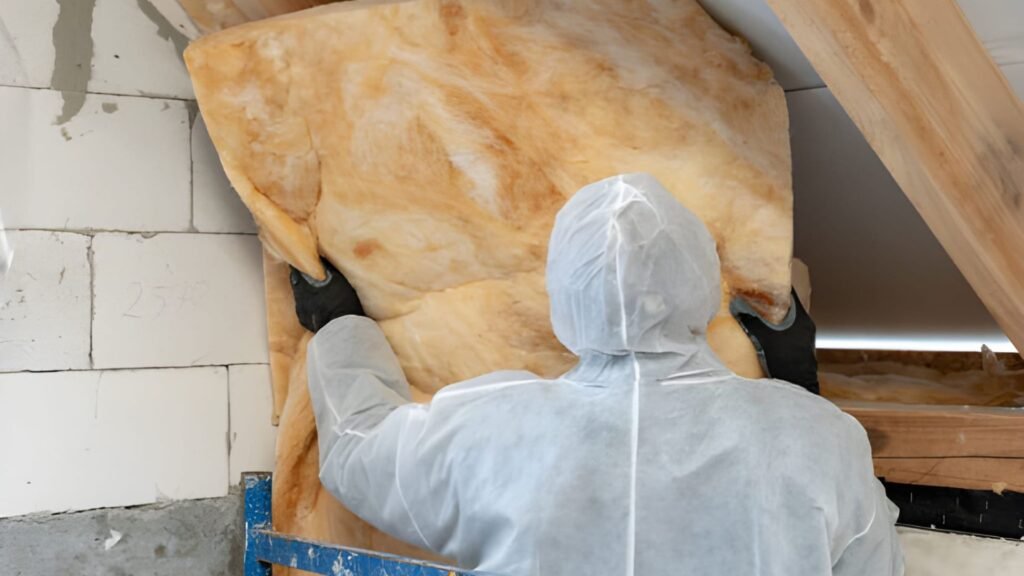
Fiberglass insulation is made from fine glass fibers that trap air to resist heat transfer. The trapped air pockets create thermal resistance measured as R-value that slows heat from escaping your home in winter and entering in summer. It’s the most widely installed insulation type in U.S. residential construction.
Yes — once installed, fiberglass insulation is inert and poses no health risk to occupants. Owens Corning fiberglass products carry GREENGUARD Gold Certification for low chemical emissions and meet EPA indoor air quality guidelines. Your family can return to the home the same day installation is finished.
Fiberglass insulation is non-combustible the glass fiber material itself does not burn. This is a significant safety advantage over cellulose insulation, which requires chemical fire retardants to meet fire resistance standards. Fiberglass batts use kraft or foil facing that is combustible, which is why building codes require it to be covered by a finished wall surface.
Handling fiberglass without protective equipment causes temporary skin, eye, and respiratory irritation from fine glass fibers. Our installers wear full PPE respirators, safety glasses, gloves, and protective suits on every job. Homeowners are not exposed to the material during our professional installation process.
Direct skin contact with fiberglass causes temporary itching and irritation from fine glass fibers contacting the skin surface. The fibers don’t penetrate or cause lasting harm. Washing the area with cool water and soap removes them quickly. Wearing gloves eliminates the issue, which is why our team always does.
Fiberglass batts are cut with a sharp utility knife using a straightedge to compress and score the material in a single clean pass. The cut should be made in a ventilated area while wearing a respirator and gloves. Blown-in fiberglass doesn’t require cutting it’s machine-distributed to the correct depth.
In attics, batts or rolls are laid between joists, or blown-in fiberglass is distributed uniformly after attic bypasses are sealed. In walls, batts are friction-fitted into stud cavities and held by the facing’s staple tabs or a finished wall surface. Retrofit wall insulation is typically installed as blown-in fiberglass through small drilled access holes.
Fiberglass insulation lasts 20–30 years under normal conditions, longer if protected from moisture intrusion and pest disturbance. Chicago’s temperature extremes don’t degrade glass fiber material. If your home’s insulation predates 2000, a professional inspection is worthwhile insulation standards have increased substantially since then.
Not for most Chicagoland applications. Spray foam provides superior air sealing but costs three to five times more than fiberglass for comparable coverage. For standard attics and wall cavities in older Chicago bungalows or NW Indiana ranch homes, fiberglass insulation delivers reliable thermal performance at a cost that makes financial sense for the vast majority of homeowners.
Installed fiberglass insulation costs $1.50–$3.50 per square foot in the Chicago and NW Indiana market, depending on insulation type, R-value target, and access conditions. A full attic project for an average Chicagoland home typically runs $1,500–$4,500. Contact Qute Insulation for a free written estimate. Costs vary enough by home type that a specific quote is always more useful than a broad range.
Yes. Qute Insulation is a locally owned fiberglass insulation company based in Lynwood, Illinois, approximately 10 minutes from the Indiana state line. We provide fiberglass insulation services to homeowners across Northwest Indiana, including Gary, Crown Point, Hammond, Munster, Merrillville, Dyer, and Schererville. Same-week scheduling is available for most residential projects with no additional travel charges.
Qute Insulation provides a full range of fiberglass insulation services, including blown-in attic insulation, batt wall insulation, crawl space insulation, pipe insulation, and fiberglass insulation removal and replacement. Every project uses Owens Corning products installed to IECC Climate Zone 5 R-value standards. We serve homeowners across Chicagoland and Northwest Indiana with free on-site inspections and written estimates.
Every winter that passes in an under-insulated home costs you money on ComEd and Nicor Gas bills that proper fiberglass insulation would have saved. Qute Insulation brings certified installers, Owens Corning product quality, and honest, transparent pricing to homeowners in Gary, Crown Point, Flossmoor, Homewood, Park Forest, Monee, Joliet, and communities throughout Chicagoland and Northwest Indiana.
Call [1-708-808-7870]or request your free estimate today. We’ll assess your home, explain exactly what we recommend, and provide a written quote with no hidden costs.