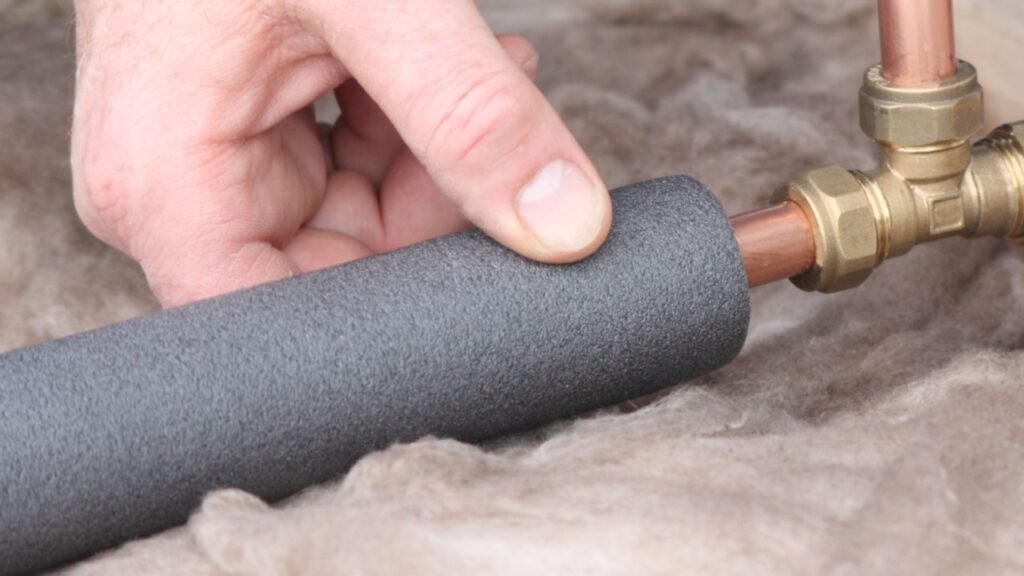
Hot water pipe insulation wraps foam, neoprene, or fiberglass sleeves around hot water supply lines to reduce standby heat loss by 25 to 45 percent, according to the DOE, delivering water warmer to your fixtures faster. Qute Insulation installs professional plumbing insulation for homes and buildings across the Chicago metro area and Northwest Indiana.
Hot water pipe insulation is foam sleeves, fiberglass wrap, or neoprene foam applied around hot water supply lines to trap heat as water travels to your faucets. The DOE reports it reduces standby heat loss by 25 to 45 percent. Qute Insulation serves homes across Gary, Crown Point, and Flossmoor.
Older homes in Park Forest and Joliet have long pipe runs losing heat through unheated basements and crawl spaces. Water heating accounts for roughly 17 percent of a home’s total energy use. The Nicor Gas rebate program helps qualifying Illinois homeowners offset the cost of pipe insulation improvements.
Insulating your hot water lines delivers real savings, faster delivery, and freeze protection.
Insulated hot water supply lines trap heat inside the pipe, reducing standby heat loss by 25 to 45 percent per the DOE and delivering water 2 to 4 degrees Fahrenheit warmer at the faucet. Homeowners in Monee and Crown Point can lower their water heater thermostat and reduce monthly gas costs.
Hot water supply lines in unheated basements, crawl spaces, and garages across Gary and Joliet are at real risk of freezing during January temperatures that average 18.8 degrees Fahrenheit. Insulated pipe wrap creates a thermal barrier that slows temperature drop and prevents freezing.
Insulating hot water pipes reduces annual water heating costs by 3 to 4 percent on their own, and by 7 to 16 percent when combined with water heater tank insulation per DOE data. Illinois homeowners in Flossmoor and Homewood may qualify for Nicor Gas rebates and the IRA Section 25C tax credit.
Cold water pipes in warm, humid basements sweat condensation that drips onto the flooring and framing. Foam pipe sleeves create a vapor barrier that prevents surface condensation on cold supply lines in Park Forest and Homewood basements, protecting flooring and framing from moisture damage year-round.
Posted on GoogleTrustindex verifies that the original source of the review is Google. I Received A Great Quote, & Derrick Is Very Professional,He Explained Everything In Detail, He Gets An A +++ 🙏Posted on GoogleTrustindex verifies that the original source of the review is Google. Excellent work and very professional. Blew installation into my split-level inside wall. Performed the job from the top level of the inside wall and the bottom. I highly recommend this company. 5 Stars *****Posted on GoogleTrustindex verifies that the original source of the review is Google. Great folks and great workPosted on GoogleTrustindex verifies that the original source of the review is Google. I processed my request online and Derrick contacted me within minutes to schedule an in person quote he matched price and schedule the same week my work. Very responsible, professional and everything was done within hours they left my house cleaned and very happy with their job !!! 100% recommended!!Posted on GoogleTrustindex verifies that the original source of the review is Google. Attic installation was done well and price was reasonable.Posted on GoogleTrustindex verifies that the original source of the review is Google. After removing my attic insulation completely, cleaning and disinfecting, the team of professionals installed the new insulation in record time. They were very professional and thorough. I can feel the difference in one day. They were polite, helpful and cleaned up completely when the job was finished. I highly recommend this company.
Qute Insulation installs every major thermal pipe insulation type for residential and commercial properties.
Pre-slit polyethylene or neoprene foam pipe sleeves are installed over hot water supply lines for fast and effective heat retention throughout Chicago homes and basements.
High-performance fiberglass pipe wrap for high-temperature hot water and boiler supply lines in residential and commercial properties across Joliet and Gary.
Advanced thermal insulation wrapping for hot water lines to maximize heat retention on long pipe runs from the water heater to distant fixtures in Park Forest and Monee.
insulates the hot and cold supply pipes connected to the water heater, covering the first 3 to 6 feet where standby heat loss is greatest. Fiberglass wrap is kept 6 inches clear of gas flue pipes.
Heavy-duty fiberglass and foam insulation for boiler supply and return pipes in residential and commercial heating systems across the region, reducing heat loss and improving boiler efficiency.
UV-resistant, weather-rated insulation wrap for exposed outdoor hot water supply lines in Crown Point and Gary, preventing freezing during harsh winters.
Foam pipe sleeves installed on cold water supply lines prevent condensation dripping in humid Chicago basements and crawl spaces, protecting flooring and framing from moisture damage.
Foam and fiberglass pipe sleeves are sized specifically for copper pipe diameters, maintaining water temperature and preventing heat loss on copper supply lines throughout Homewood and Flossmoor.
insulates visible hot water pipes in basements, crawl spaces, and utility rooms, preventing heat loss and protecting pipes from freeze risk in unheated areas.
Every Qute Insulation project follows a clear five-step process from inspection to final confirmation.

We inspect all hot and cold water supply lines, identifying pipe material (copper, CPVC, PEX), diameter, run length, and unheated-space exposure before recommending insulation type.
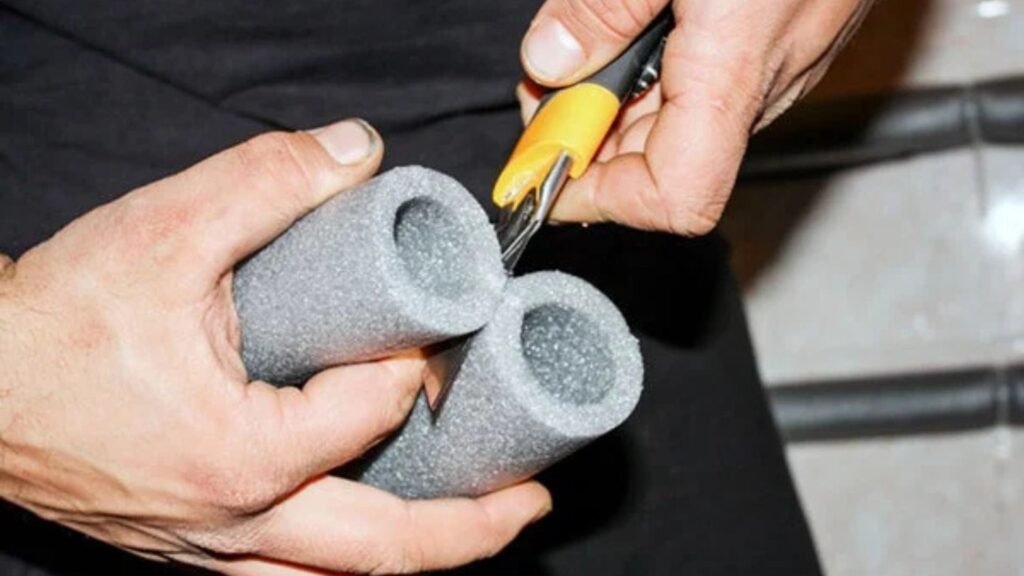
We recommend polyethylene foam sleeves, neoprene foam, or fiberglass wrap based on pipe material, temperature, location, and compatibility with copper, CPVC, and PEX systems.
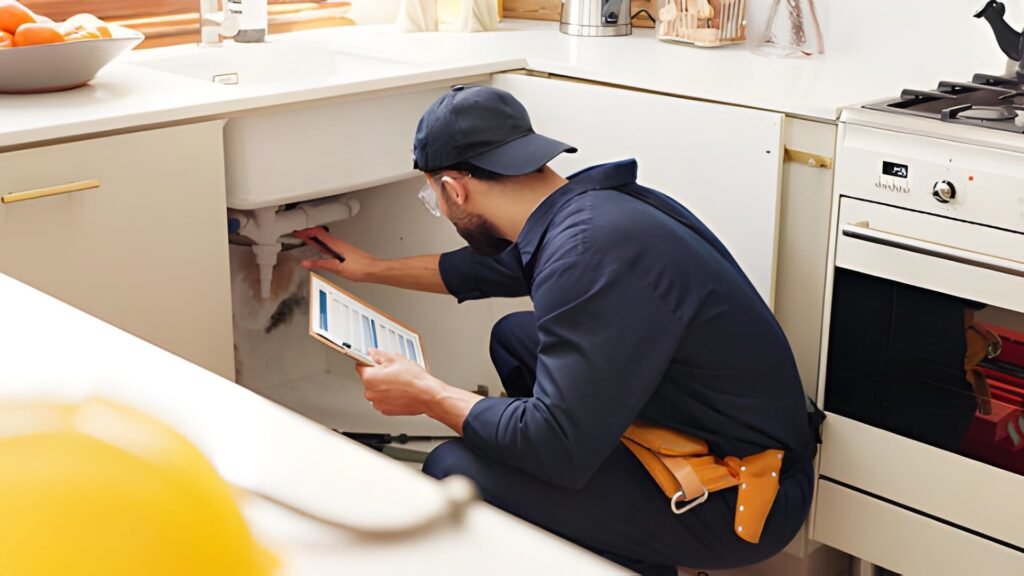
We check all pipe surfaces for corrosion or damage, measure all pipe runs, cut sleeves to length, and confirm 6-inch clearance from gas water heater flue pipes before installation.
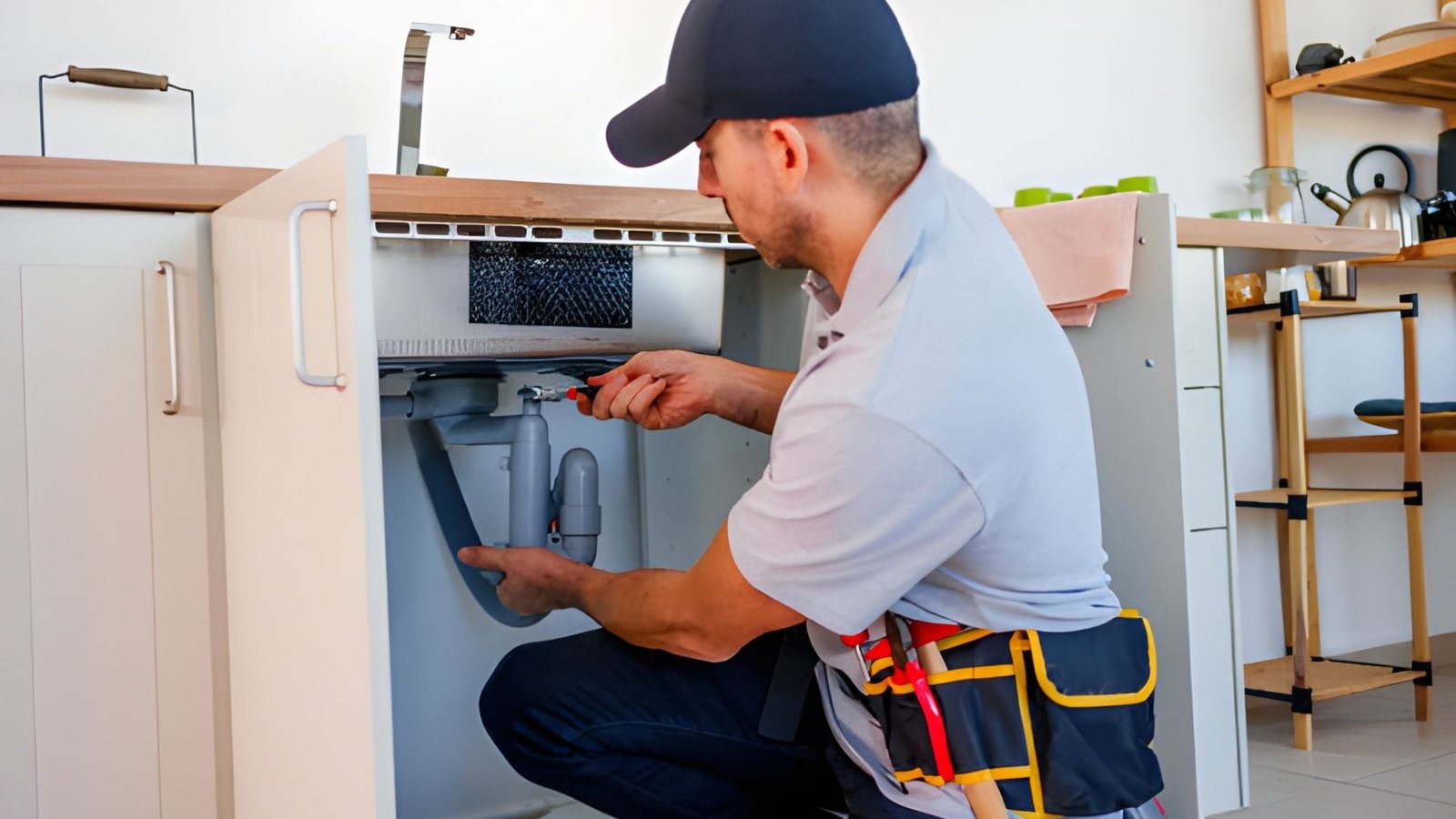
We install pre-slit foam sleeves or fiberglass wrap along all identified hot water supply lines, sealing all seams with pipe insulation tape to eliminate thermal bridging and prevent moisture entry.

We inspect all insulated pipe runs for complete coverage, sealed seams, and correct fit at elbows and tees, verify gas flue clearance, and complete cleanup before homeowner walkthrough.

Professional installation costs $2 to $4 per linear foot for foam sleeve installation in the Chicago metro area, with an average residential project running $150 to $600. Fiberglass wrap for boiler lines costs $4 to $8 per linear foot. The IRA Section 25C tax credit covers 30 percent of qualifying costs up to $1,200 annually. Contact Qute Insulation for a free written estimate.

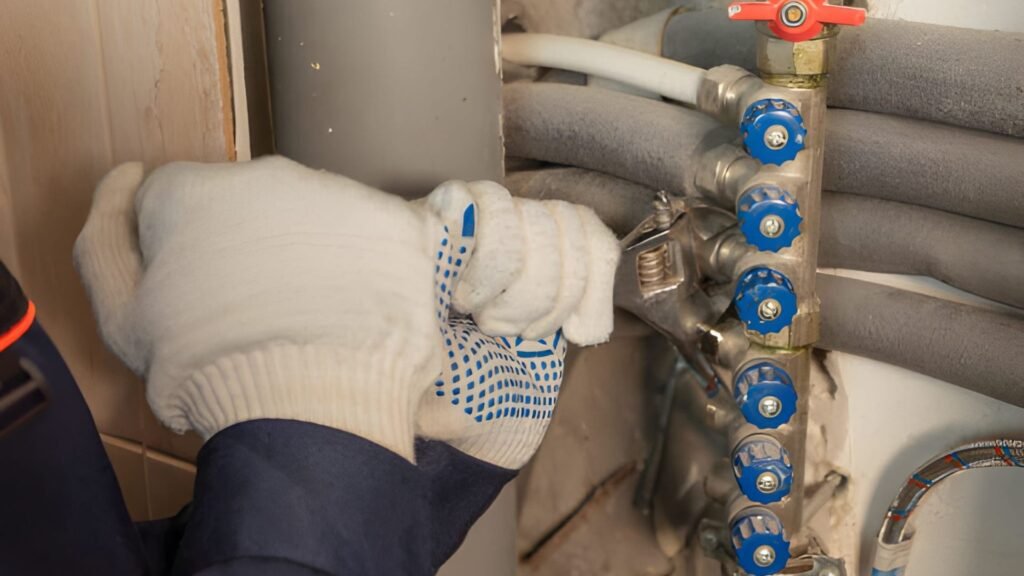
For standard hot water supply lines in Joliet and Crown Point homes, foam pipe sleeves deliver reliable heat retention at the lowest cost; fiberglass wrap is required for boiler supply lines and high-temperature commercial hot water piping. Polyethylene and neoprene foam handle temperatures up to 200 degrees Fahrenheit. Fiberglass handles up to 850 degrees and requires 6-inch clearance from gas flue pipes.

Insulating both your hot water pipes and water heater tank together reduces total water heating costs by 7 to 16 percent, according to DOE data. For Flossmoor and Homewood homeowners with older tank-style water heaters, doing both is the highest-impact energy improvement available. Pipe insulation targets standby heat loss in supply lines; tank insulation wraps the heater itself with an R-24 minimum blanket.
Our team brings hands-on experience in insulating hot and cold water supply lines across residential and commercial properties throughout the Chicago metro area. Licensed, insured, and familiar with copper, CPVC, and PEX pipe systems.
Qute Insulation uses foam, neoprene, and fiberglass pipe insulation materials rated for each specific pipe application and temperature, with verified compatibility for copper, CPVC, and PEX plumbing systems.
Written quotes specifying material type, linear footage, pipe diameter, and total cost are provided before any work begins. Free estimates available across all service areas.
Our team knows the long pipe runs in older Flossmoor and Park Forest homes, unheated basement freeze risks in Joliet and Gary, and Nicor Gas rebate eligibility for qualifying Illinois customers.
Qute Insulation serves residential homeowners, landlords, and commercial property managers across the region for energy-efficiency upgrades and winterization projects, bringing professional materials, licensed installers, and honest pricing to every community we work in.
Flossmoor, IL | Homewood, IL | Park Forest, IL | Monee, IL | Joliet, IL | Chicago, IL | Naperville, IL | Aurora, IL | Elgin, IL | Schaumburg, IL | Orland Park, IL | Tinley Park, IL | Oak Lawn, IL | Berwyn, IL | Cicero, IL
Gary, IN | Crown Point, IN | Hammond, IN | East Chicago, IN | Whiting, IN | Griffith, IN | Highland, IN | Munster, IN | Dyer, IN | Schererville, IN | Merrillville, IN | Hobart, IN | Portage, IN | Valparaiso, IN | Lake Station, IN
Hot water pipe insulation is non-invasive for standard foam and neoprene sleeve applications. For gas water heaters, fiberglass wrap must maintain at least 6 inches of clearance from the flue pipe to prevent a fire hazard. Installers verify the water heater thermostat is set to at least 120 degrees Fahrenheit to prevent Legionella bacterial growth. All materials meet local plumbing code requirements. Licensed and insured on every project.

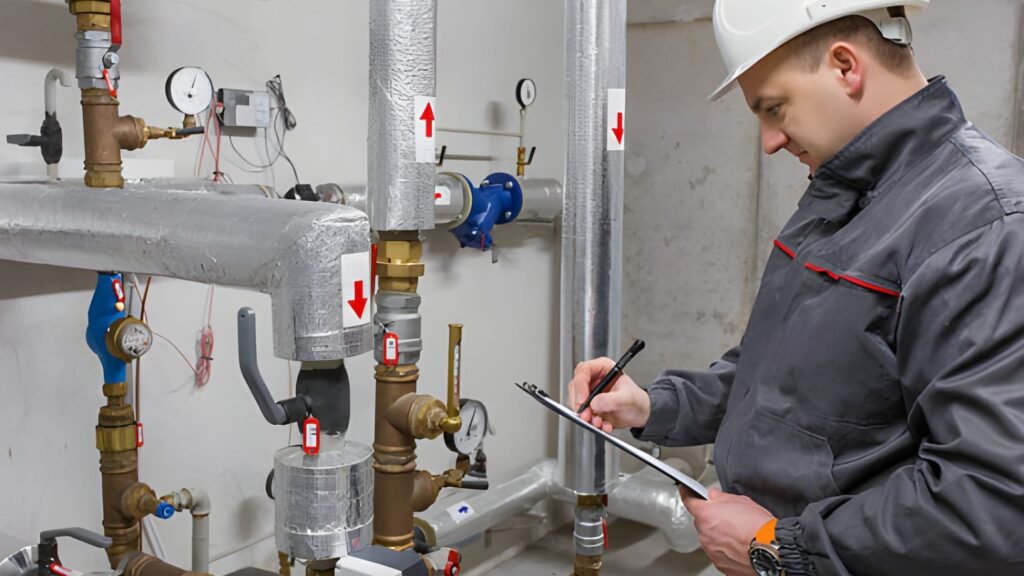
Professionally installed foam pipe insulation lasts 10 to 15 years; fiberglass wrap lasts 20 or more years with minimal maintenance. Before each Chicago winter, check for torn or compressed foam at pipe joints, elbows, and tees, and reseal open seams with pipe insulation tape. Qute Insulation provides post-installation inspection services for existing pipe insulation throughout the region.
Hot water pipe insulation is foam, neoprene, or fiberglass wrap applied around hot water supply lines to reduce standby heat loss by 25 to 45 percent, according to the DOE. It delivers water warmer to faucets and reduces how often the water heater reheats water in unheated basements across Joliet and Homewood.
Slide pre-slit foam or neoprene pipe sleeves over all accessible hot water supply lines in unheated basements and crawl spaces, sealing all seams with pipe insulation tape. In Crown Point and Gary homes with long pipe runs, prioritize the first 6 to 10 feet from the water heater first.
Polyethylene foam pipe sleeves and neoprene foam are the best choices for most residential hot water supply lines, rated for temperatures up to 200 degrees Fahrenheit. For boiler piping and high-temperature commercial lines across Joliet, fiberglass pipe wrap rated to 850 degrees is required.
Wrap the hot water supply pipe and cold water inlet at the water heater, covering the first 3 to 6 feet of each line with foam or fiberglass pipe sleeves. For gas water heaters, maintain at least 6 inches of clearance from the flue vent and verify the thermostat stays at 120 degrees Fahrenheit minimum.
Yes, insulating hot water supply lines reduces annual water heating costs by 3 to 4 percent on their own, and by 7 to 16 percent when combined with water heater tank insulation per DOE data. Illinois homeowners in Flossmoor and Park Forest may qualify for Nicor Gas rebates and the IRA Section 25C tax credit.
Wrap exposed outdoor hot water supply lines with UV-resistant, exterior-rated foam or neoprene pipe insulation and seal all seams with waterproof tape. For buried lines in Monee and Crown Point, exterior-rated pipe insulation around the pipe trench provides additional protection against ground frost in Climate Zone 5 winters.
Polyethylene and neoprene foam sleeves are affordable, easy to install, and effective for standard residential hot water lines up to 200 degrees Fahrenheit. Fiberglass pipe wrap handles temperatures up to 850 degrees and is required for boiler piping and high-temperature commercial hot water systems across Joliet and the greater Chicago area.
Slide pre-slit foam or neoprene pipe sleeves sized to the outside diameter of your copper pipe over all accessible hot water lines, sealing seams with pipe insulation tape. Foam sleeves slide over copper pipe without adhesive or tools, making this a fast upgrade in most Homewood and Park Forest basement pipe runs.
Yes, insulating cold water supply lines prevents condensation from dripping on basement floors and framing in humid summer months. In Crown Point and Gary homes, insulating both prevents moisture problems and protects against pipe freezing during sub-zero winter temperatures in crawl spaces and unheated basements.
Professional installation costs $2 to $4 per linear foot for foam sleeve installation in the Chicago metro area, with an average residential project running $150 to $600. Fiberglass wrap for boiler piping costs $4 to $8 per linear foot. The IRA Section 25C tax credit covers 30 percent of qualifying costs up to $1,200 annually.
High gas bills, long waits for hot water, and frozen pipe risk are all solved by properly insulated pipes. Qute Insulation brings licensed installers, professional-grade materials for copper, CPVC, and PEX systems, and transparent pricing to Gary, Crown Point, Flossmoor, Homewood, Park Forest, Monee, and Joliet. Call 1-708-808-7870 for your free estimate today.