
Spray foam roofing is a sprayed liquid that expands and cures into a seamless, monolithic closed-cell foam layer with R-6 to R-7 per inch insulation value. The cured foam adheres directly to the roof substrate, eliminating the seams where traditional roofs leak. Qute Insulation provides professional spray foam roofing for properties across the Chicago metro area and Northwest Indiana.
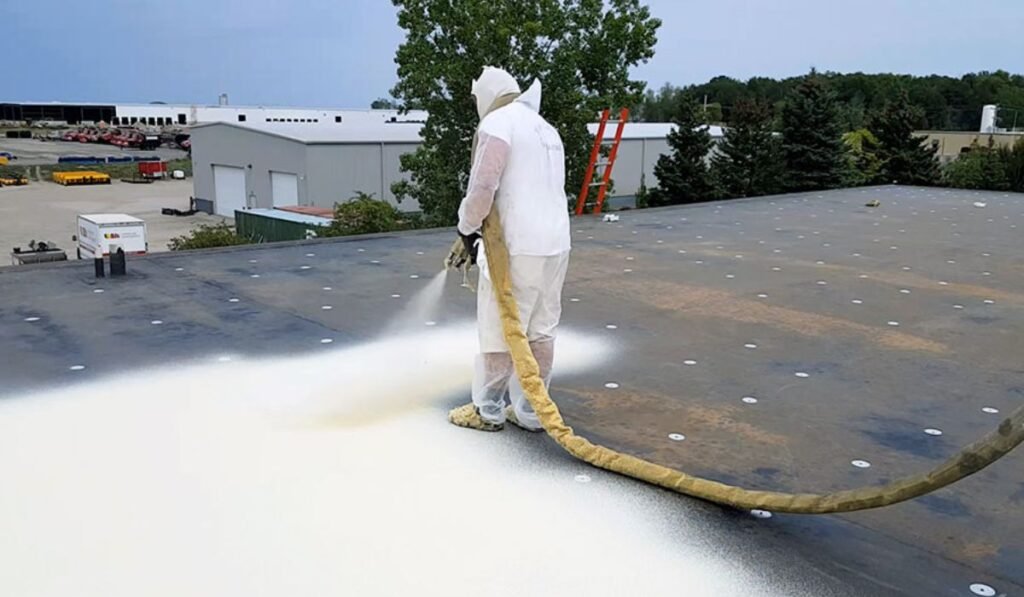
Spray foam roofing is a roofing system made from spray polyurethane foam (SPF), a liquid applied directly to a roof substrate that expands and cures into a seamless, monolithic closed-cell foam layer with an R-value of R-6 to R-7 per inch. The cured foam is topped with an elastomeric protective coating for UV resistance. Qute Insulation provides professional spray foam roofing services for homes and commercial buildings across the Chicago metro area and Northwest Indiana communities including Gary, Crown Point, and Joliet.
The monolithic, seamless application eliminates the seams, fasteners, and joints where traditional shingle, metal, and membrane roofs typically develop leaks during Chicagoland’s freeze-thaw winters and ponding-prone summer storms. Flat and low-slope commercial roofs across Joliet and Gary benefit significantly from the self-leveling application that follows.
Spray polyurethane foam cures into one continuous, monolithic layer with no seams, fasteners, or joints anywhere on the roof surface. Traditional shingle, metal, and membrane roofs fail most often at these seam and fastener points, which spray foam roofing eliminates entirely.
A properly installed and recoated spray foam roof system has a documented service life of 20 to 30 years or longer. Recoating the elastomeric top layer every 10 to 15 years renews UV protection without removing the underlying foam.
Closed-cell spray polyurethane foam delivers R-6 to R-7 of insulation value per inch, among the highest R-value per inch of any roofing insulation material available. This continuous insulation layer eliminates the thermal bridging gaps common in board or batt roof insulation systems.
Spray foam roofing weighs significantly less per square foot than built-up or ballasted roofing systems. This lighter weight makes it a practical option for older commercial roof structures across Chicagoland with limited additional load capacity.
Posted on GoogleTrustindex verifies that the original source of the review is Google. I Received A Great Quote, & Derrick Is Very Professional,He Explained Everything In Detail, He Gets An A +++ 🙏Posted on GoogleTrustindex verifies that the original source of the review is Google. Excellent work and very professional. Blew installation into my split-level inside wall. Performed the job from the top level of the inside wall and the bottom. I highly recommend this company. 5 Stars *****Posted on GoogleTrustindex verifies that the original source of the review is Google. Great folks and great workPosted on GoogleTrustindex verifies that the original source of the review is Google. I processed my request online and Derrick contacted me within minutes to schedule an in person quote he matched price and schedule the same week my work. Very responsible, professional and everything was done within hours they left my house cleaned and very happy with their job !!! 100% recommended!!Posted on GoogleTrustindex verifies that the original source of the review is Google. Attic installation was done well and price was reasonable.Posted on GoogleTrustindex verifies that the original source of the review is Google. After removing my attic insulation completely, cleaning and disinfecting, the team of professionals installed the new insulation in record time. They were very professional and thorough. I can feel the difference in one day. They were polite, helpful and cleaned up completely when the job was finished. I highly recommend this company.
The industry-standard sprayed polyurethane foam roofing system is applied directly to existing roof substrates, curing into a seamless waterproof layer across Chicagoland residential and commercial properties.
High-density closed cell foam provides R-6 to R-7 per inch and maximum waterproofing for NW Indiana roofs, outperforming open cell foam in moisture resistance and structural rigidity.
Specialized self-leveling application addresses flat and low-slope commercial roofs prone to ponding water, a leading cause of membrane and shingle roof leaks throughout Chicago.
The foam application seals seams, fasteners, and panel joints on existing metal roofs in one continuous layer, eliminating the most common metal roof leak points entirely.
Complete spray foam roof systems for single-family homes provide long-term leak protection and added R-value, an increasingly popular upgrade for Chicagoland homeowners replacing aging shingle roofs.
Large-scale SPF roofing systems for warehouses, retail buildings, and industrial properties across NW Indiana are engineered for the specific square footage, drainage slope, and load requirements of each structure.
A protective elastomeric coating, acrylic- or silicone-based, is applied over cured spray foam to enhance UV resistance, reflect solar heat, and extend overall roof lifespan significantly.
Foam applied directly to roof decking reduces thermal bridging at structural members and improves overall building envelope performance, a continuous insulation strategy increasingly required by current energy codes.
Every spray foam roofing project follows the same five-step process from inspection to final testing.

A technician inspects the existing roof substrate for moisture content, structural condition, and drainage slope, determining whether the surface is suitable for direct spray foam application.
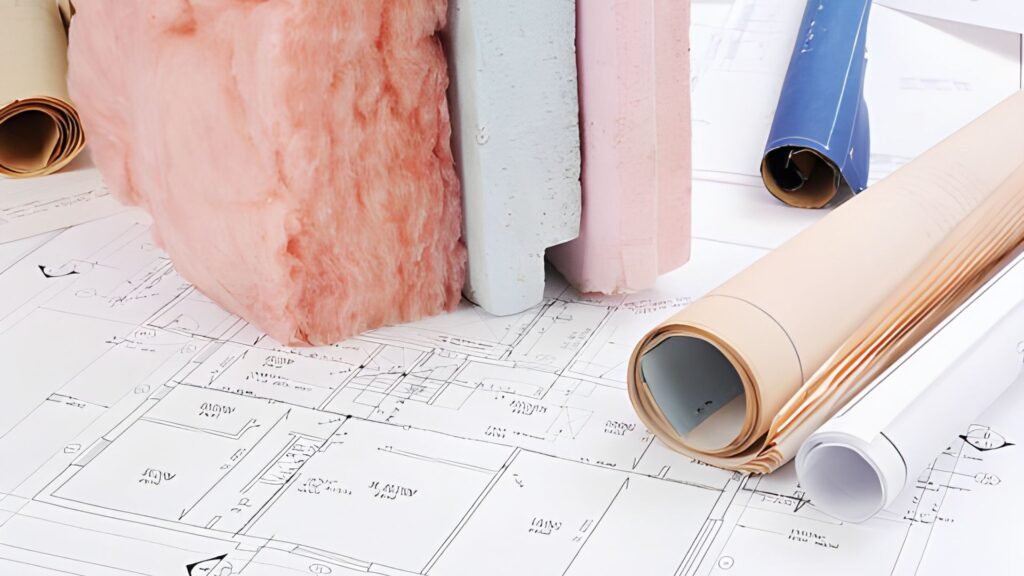
The roof surface is cleaned of debris, loose material, and contaminants, since spray polyurethane foam requires a clean, dry substrate to achieve proper adhesion and cure correctly.

Liquid spray polyurethane foam is applied in controlled passes, expanding and curing within seconds into a seamless, monolithic closed cell layer across the entire roof surface.
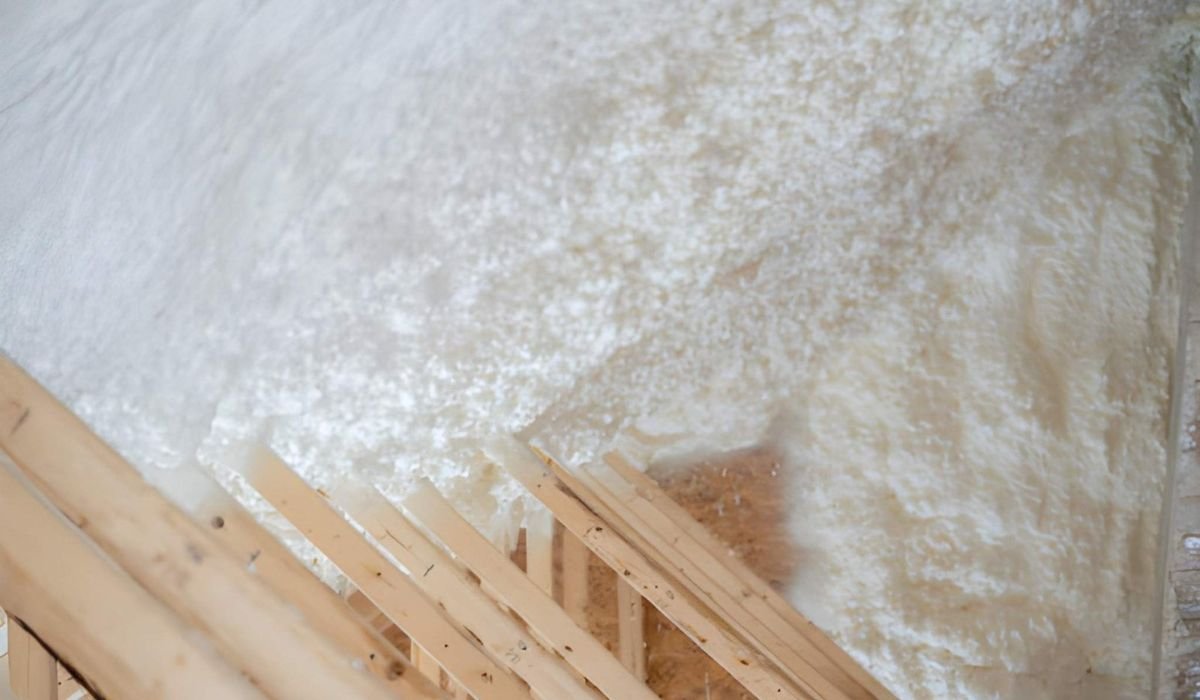
An elastomeric protective coating is applied over the cured foam to provide UV resistance, solar reflectivity, and a durable wear layer that protects the foam beneath.

The completed roof system is inspected for full coverage, coating thickness, and drainage performance, with leak testing confirming the seamless waterproof barrier before project completion.

Professional spray foam roofing typically costs $6 to $12 per square foot in the Chicago metro area, with a standard residential roof project ranging from $7,000 to $18,000 depending on roof size and existing condition. Commercial projects scale with square footage. Recoating an existing spray foam roof every 10 to 15 years costs significantly less than full reapplication. Qute Insulation provides free inspections and written estimates before any work begins.


Shingle and membrane roofs (TPO, EPDM) rely on overlapping seams and fasteners that are the most common leak points over a roof’s lifespan, while spray foam roofing forms one continuous monolithic layer with no seams at all. For flat or low-slope roofs in Joliet or Crown Point prone to ponding water, spray foam roofing’s seamless application eliminates the seam-related leak risk inherent to shingle and membrane systems.

An existing spray foam roof can typically be recoated every 10 to 15 years to renew UV protection without removing the underlying foam, while a traditional roof at the end of its service life usually requires a full tear-off and replacement. Recoating an existing spray foam roof system in Flossmoor or Homewood costs significantly less than a full tear-off replacement, extending the same roof’s service life by another decade or more.
Qute Insulation crews are trained and certified in spray polyurethane foam application across residential and commercial roofing projects throughout the Chicago metro area. Licensed and insured.
Qute Insulation uses closed-cell spray polyurethane foam rated R-6 to R-7 per inch and elastomeric UV-resistant coating materials suited to each roof type and climate exposure.
Written quotes specifying square footage, foam thickness, coating type, and total cost are provided before any work begins. Free inspections available across all service areas.
The team understands the freeze-thaw stress and ponding-water risk specific to flat commercial roofs across Gary and Crown Point and metal roof leak patterns in Monee.
Qute Insulation provides spray foam roofing services across the listed cities for both residential and commercial properties, serving new installation and recoating of existing spray foam roof systems alike.
Flossmoor, IL | Homewood, IL | Park Forest, IL | Monee, IL | Joliet, IL | Chicago, IL | Naperville, IL | Aurora, IL | Elgin, IL | Schaumburg, IL | Orland Park, IL | Tinley Park, IL | Oak Lawn, IL | Berwyn, IL | Cicero, IL
Gary, IN | Crown Point, IN | Hammond, IN | East Chicago, IN | Whiting, IN | Griffith, IN | Highland, IN | Munster, IN | Dyer, IN | Schererville, IN | Merrillville, IN | Hobart, IN | Portage, IN | Valparaiso, IN | Lake Station, IN
Spray polyurethane foam application involves isocyanate chemical components that require proper ventilation and full PPE, including a supplied-air respirator, protective suit, and gloves, during application. A re-entry period of typically 24 hours is required before the area is safe for unprotected occupancy, following OSHA and manufacturer guidelines.


An annual visual inspection is recommended to check coating wear, ponding areas, and any physical damage to the foam surface. Recoating the elastomeric top layer every 10 to 15 years renews UV protection and extends the documented 20 to 30-year service life of the underlying foam.
An aging or leaking roof risks worsening interior water damage and rising energy costs the longer replacement is delayed, especially before winter freeze-thaw cycles begin. Qute Insulation brings certified SPF crews, professional-grade foam and coating materials, and transparent pricing with free inspections to Gary, Crown Point, Flossmoor, Homewood, Park Forest, Monee, and Joliet. Call [17088087870] today. A leaking roof only gets more expensive to fix over time.
Spray foam roofing is a system made from liquid spray polyurethane foam applied directly to a roof substrate, where it expands and cures into a seamless, monolithic closed-cell layer with R-6 to R-7 per inch insulation value. An elastomeric coating is then applied for UV protection.
Professional spray foam roofing typically costs $6 to $12 per square foot in the Chicago metro area. A standard residential project ranges from $7,000 to $18,000 depending on roof size and existing roof condition, while commercial projects scale with total square footage.
A properly installed and maintained spray foam roof has a documented service life of 20 to 30 years or longer, comparable to or exceeding many traditional roofing systems. Recoating the elastomeric top layer every 10 to 15 years renews UV protection without removing the underlying foam.
Yes, spray foam roofing can be applied directly over an existing metal roof, sealing seams, fasteners, and panel joints in one continuous layer. This eliminates the most common leak points on metal roofs across Monee and Homewood without requiring a full roof tear-off.
Closed cell spray foam delivers R-6 to R-7 per inch, is denser, and resists moisture, making it the standard choice for roofing applications. Open-cell foam has a lower R-value per inch and absorbs moisture, making it unsuitable for direct roof exposure to weather.
Yes, spray foam roofing is frequently used to repair leaking shingle, metal, or membrane roofs by applying the seamless foam layer directly over the existing substrate, provided the deck structure is sound. This avoids the cost and disruption of a full tear-off replacement.
Yes, spray foam roofing is particularly well suited to flat and low-slope commercial roofs because the self-leveling application eliminates ponding water, the leading cause of membrane and built-up roof failure on warehouses and retail buildings across Gary and Joliet.
The elastomeric protective coating shields the underlying spray foam from UV degradation and physical wear, and recoating it every 10 to 15 years renews this protection without removing the foam layer. This recoat cycle is what supports the 20 to 30 year documented service life.