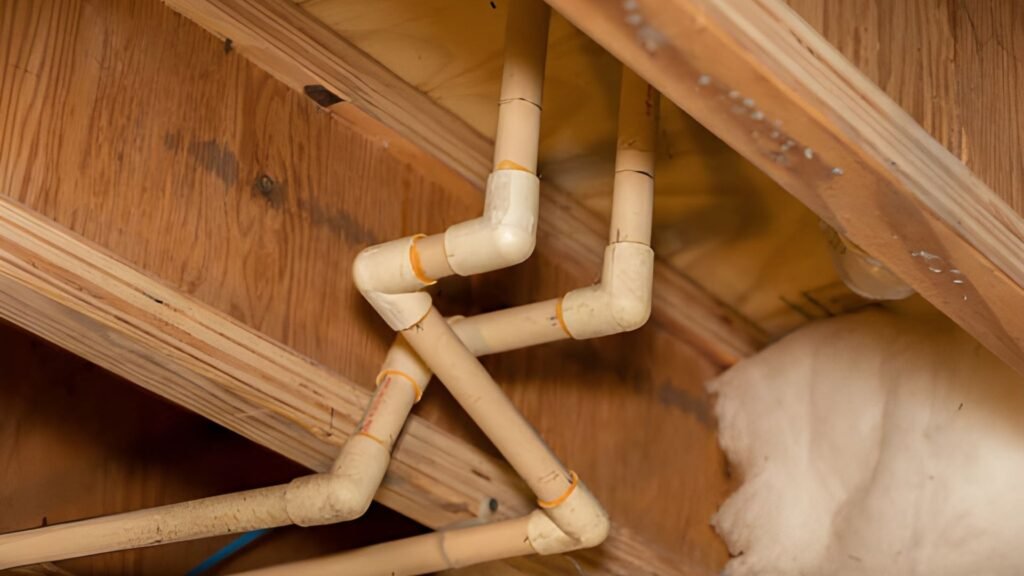
Pipe insulation is a foam, rubber, or fiberglass sleeve that prevents frozen pipes during sub-zero Chicago winters and reduces standby heat loss from hot water lines. Qute Insulation provides thermal insulation pipe solutions and complete pipe insulation services for homes and commercial buildings across the Chicago metro area and Northwest Indiana.
A pipe sleeve or wrap creates a thermal barrier around water supply lines, hot water pipes, and HVAC piping. It keeps heat inside hot water lines to reduce energy waste and slows the temperature drop in cold pipes exposed to freezing air. R-3 is the minimum for unheated spaces; R-5 is required for outdoor pipes in Climate Zone 5. Qute Insulation installs professional pipe insulation for homes and buildings across the Chicago metro area and Gary, Crown Point, and surrounding communities.
Chicago’s January average temperature is 18.8 degrees Fahrenheit, and sub-zero wind chills reach unheated basements and garages in Joliet, Homewood, and Park Forest every winter. A single burst pipe causes thousands of dollars in repairs. The Nicor Gas energy efficiency program helps Illinois homeowners save on hot water costs. For homeowners in Gary and Crown Point, insulating your pipes is one of the most cost-effective ways to prevent frozen pipe damage.
Properly insulated pipes protect your home, lower your bills, and prevent expensive repairs.
A thermal barrier around water supply lines in unheated basements, crawl spaces, and garages slows heat loss enough to prevent freezing during sub-zero Chicago nights. Freeze-thaw cycles in Crown Point and Gary are particularly damaging to unprotected exposed pipes each winter, and frozen pipes Lynwood homeowners report each January are almost always traceable to an uninsulated basement or crawl space run. Winter pipe insulation for Chicago homeowners remains one of the most cost-effective ways to prevent a burst pipe emergency.
Uninsulated hot water supply lines lose heat as water travels from the heater to the tap, forcing the water heater to work harder. Insulating these lines reduces standby heat loss by up to 45 percent and qualifies for the Nicor Gas energy efficiency program in Illinois. Protects Exterior and Underground Pipes from Freeze-Thaw Damage Outdoor and underground water lines in Joliet and Monee face repeated freeze-thaw cycles that crack pipe walls and fittings over time. R-5 or higher exterior pipe wrap protects these lines and extends their service life significantly in Climate Zone 5.
Cold water pipes in warm humid basements sweat condensation that drips onto flooring and framing, creating mold conditions over time. Closed-cell rubber foam creates a vapor barrier around cold pipes that eliminates surface condensation in Homewood and Flossmoor basements.
Posted on GoogleTrustindex verifies that the original source of the review is Google. I Received A Great Quote, & Derrick Is Very Professional,He Explained Everything In Detail, He Gets An A +++ 🙏Posted on GoogleTrustindex verifies that the original source of the review is Google. Excellent work and very professional. Blew installation into my split-level inside wall. Performed the job from the top level of the inside wall and the bottom. I highly recommend this company. 5 Stars *****Posted on GoogleTrustindex verifies that the original source of the review is Google. Great folks and great workPosted on GoogleTrustindex verifies that the original source of the review is Google. I processed my request online and Derrick contacted me within minutes to schedule an in person quote he matched price and schedule the same week my work. Very responsible, professional and everything was done within hours they left my house cleaned and very happy with their job !!! 100% recommended!!Posted on GoogleTrustindex verifies that the original source of the review is Google. Attic installation was done well and price was reasonable.Posted on GoogleTrustindex verifies that the original source of the review is Google. After removing my attic insulation completely, cleaning and disinfecting, the team of professionals installed the new insulation in record time. They were very professional and thorough. I can feel the difference in one day. They were polite, helpful and cleaned up completely when the job was finished. I highly recommend this company.
Qute Insulation installs every major pipe insulation type for residential and commercial properties.
Pre-slit polyethylene foam sleeves slide over water supply and hot water pipes quickly, providing effective freeze protection and heat retention in Chicago homes and basements.
High-temperature fiberglass wrap for steam pipes, boiler piping, and industrial applications in Gary and Joliet where extreme heat rules out foam alternatives.
Flexible closed-cell rubber foam creates a vapor barrier around AC refrigerant lines, HVAC piping, and cold water pipes, preventing condensation year-round. This is one of our most requested cold pipe insulation services.
Heavy-duty outdoor pipe wrap rated for UV exposure and freeze-thaw cycles, protecting exposed water supply lines in Crown Point and Gary from freezing temperatures.
Foam and fiberglass sleeves over hot water supply lines trap heat between the water heater and fixtures, reducing standby heat loss and qualifying for Nicor Gas rebates.
Foam sleeves and fiberglass wraps sized for copper pipe diameters, preventing freezing and condensation on cold supply lines in basements and crawl spaces.
Foam sleeves compatible with flexible PEX plumbing in new construction and retrofit projects across NW Indiana homes, protecting hot and cold lines from temperature extremes.
Closed-cell rubber foam for air conditioner refrigerant lines and HVAC piping, maintaining system efficiency and preventing condensation drip in Chicago buildings.
Industrial-grade fiberglass and urethane insulation rated for high-temperature boiler pipes and steam systems in commercial facilities across Joliet and the Chicago area.
Buried and exterior water line protection using foam wrap rated R-5 or higher, preventing ground frost penetration in Climate Zone 5 conditions across Monee and Park Forest.
Large-scale pipe wrap services for warehouses, manufacturing plants, and commercial buildings throughout the Chicago metro area, covering both hot- and cold-water supply systems.
High-temperature insulated chimney and wood stove pipe systems meeting Class A fire ratings for safe heat management in residential and commercial properties.
Every Qute Insulation project follows a clear five-step process from inspection to final verification.

We inspect all exposed, exterior, and unheated-space pipe runs, identifying pipe type, diameter, temperature exposure, and existing insulation condition before recommending any materials.
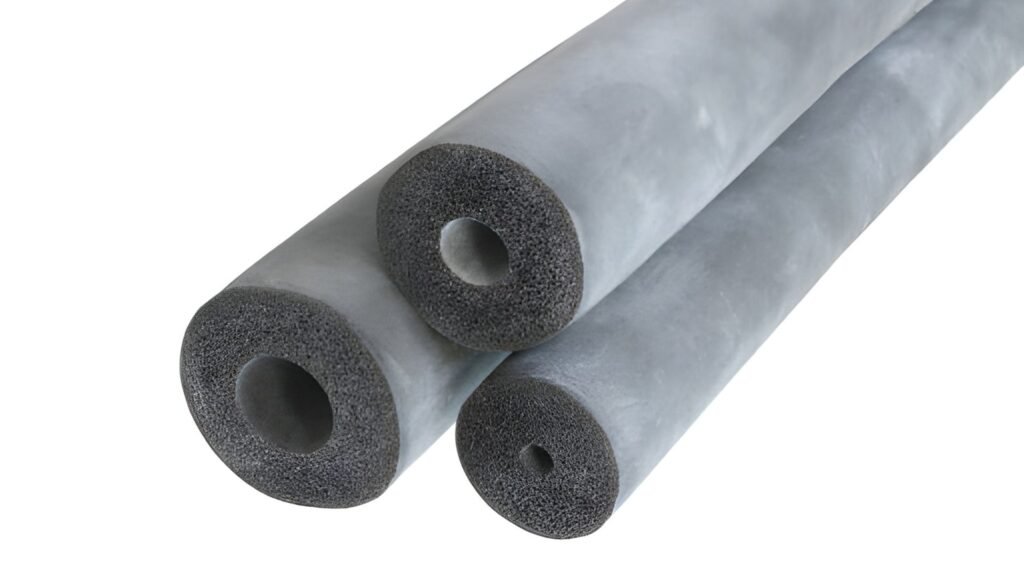
We recommend the correct material and R-value based on pipe type, location, temperature exposure, and application, specifying foam sleeves, fiberglass wrap, or rubber foam accordingly.

We check all pipes for leaks, corrosion, or moisture before applying any covering, measure all pipe runs accurately, and prepare surfaces to ensure full coverage with no gaps.
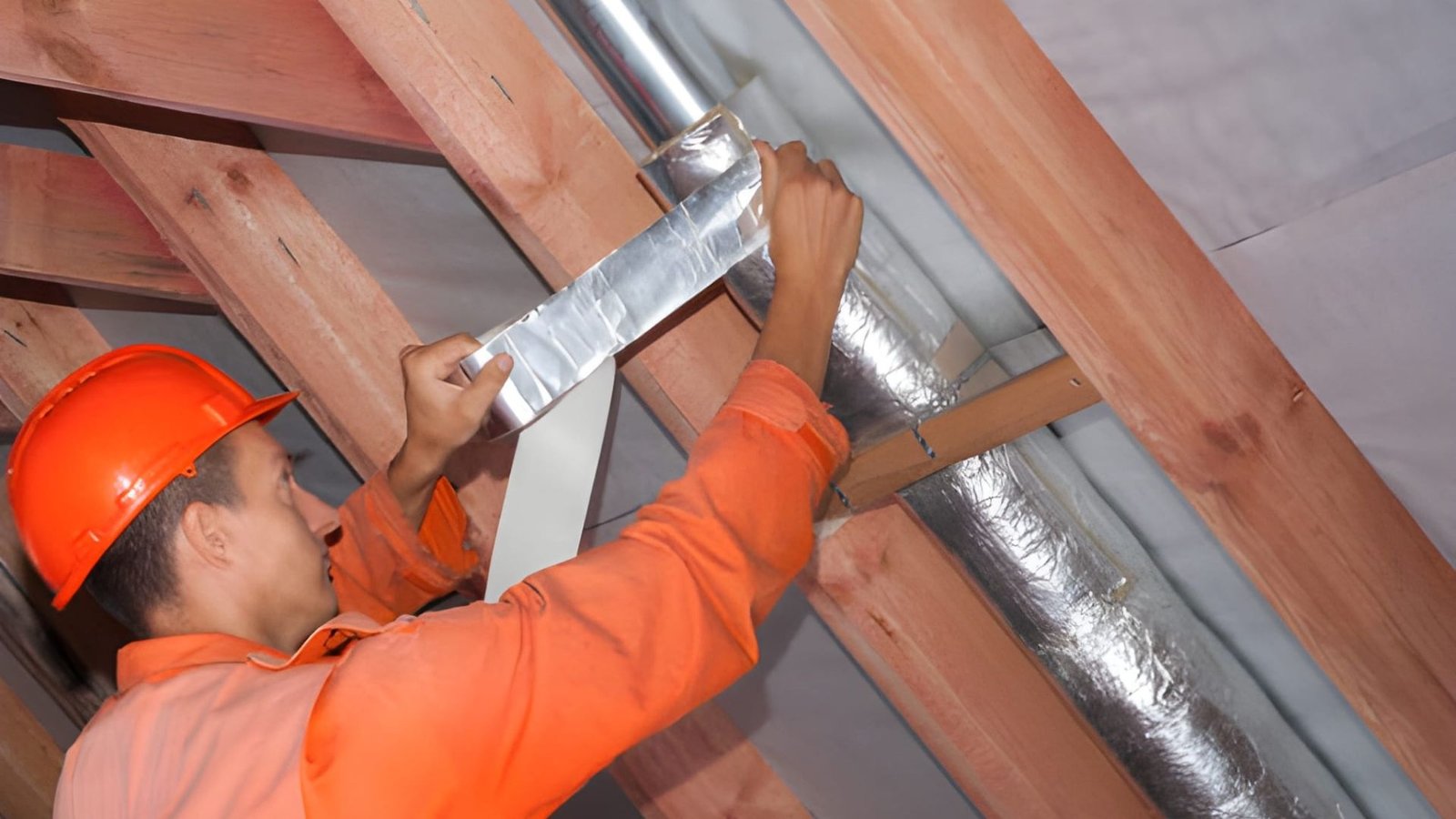
We install pre-slit foam sleeves, fiberglass wrap, or rubber foam along all identified pipe runs, sealing every seam and joint with pipe insulation tape to prevent thermal bridging.

We inspect all insulated pipe runs for complete coverage, sealed joints, and correct fit at elbows and fittings, verify no existing leaks were concealed, and complete full cleanup.

Professional pipe insulation installation costs $3 to $5 per linear foot in the Chicago metro area, with an average residential project running $300 to $800. High-temperature fiberglass or urethane for steam and boiler pipes costs $6 to $12 per linear foot. The IRA Section 25C tax credit may cover up to $1,200 annually for qualifying improvements. Contact Qute Insulation for a free written estimate.

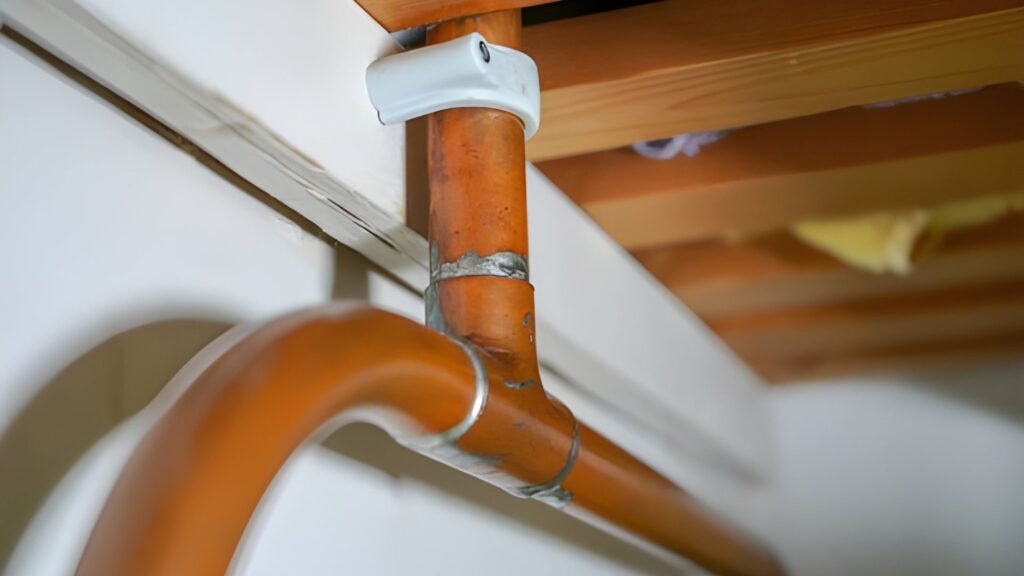
For standard water supply and hot water pipes in Chicago homes, foam pipe sleeves provide effective freeze protection and heat retention at the lowest cost, fiberglass wrap is required for high-temperature steam and boiler piping. Polyethylene foam handles up to 200 degrees Fahrenheit. Fiberglass handles up to 840 degrees and is required by code for steam and boiler systems in commercial properties.
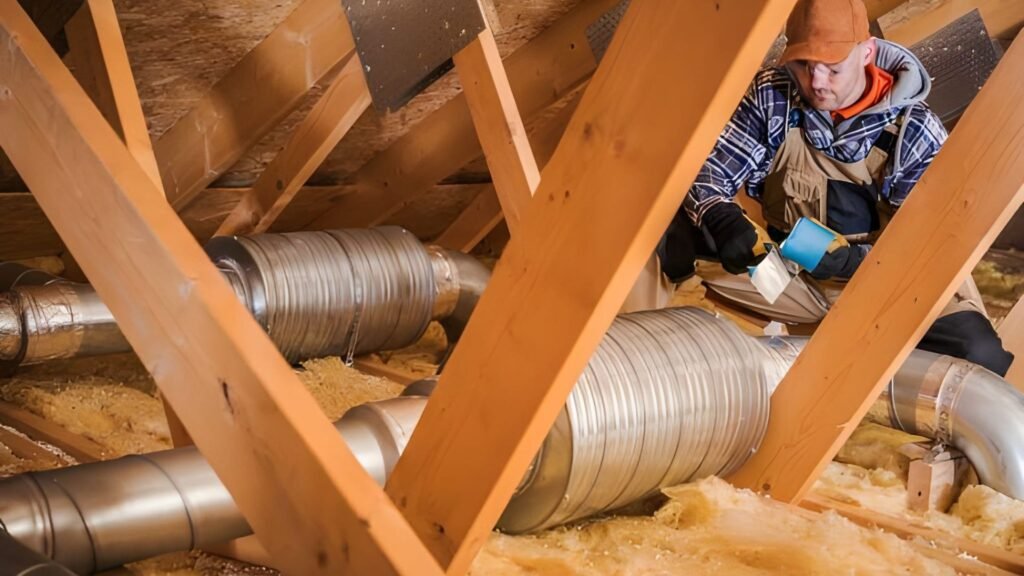
For AC refrigerant lines and cold water pipes in humid Chicago basements, closed-cell rubber foam prevents condensation more effectively than polyethylene foam polyethylene is the better value for freeze protection on standard water supply lines. Rubber foam costs more but creates a superior vapor barrier that polyethylene foam cannot match for refrigerant and cold water pipe applications.
Our team knows Chicago's sub-zero winters, lake-effect weather in Gary and Crown Point, and the freeze risks specific to unheated basements and crawl spaces throughout the region.
Written quotes specifying material type, linear footage, R-value, and total cost are provided before any work begins. Free estimates available across all service areas.
Every Qute Insulation project starts with a written, itemized estimate broken down by area, material, and labor before a single inch of insulation is installed. We don't adjust pricing after the job starts, and we don't charge differently based on neighborhood, whether your home is in Gary, IN, or Joliet, IL.
Our team knows Chicago's sub-zero winters, lake-effect weather in Gary and Crown Point, and the freeze risks specific to unheated basements and crawl spaces throughout the region.
Qute Insulation serves residential and commercial clients across the region for both emergency winterization projects and planned energy-efficiency upgrades, bringing UL-rated materials, experienced installers, and honest pricing to every community we work in. If you are searching for cold insulation pipe services near your property, our team responds quickly across Chicagoland and NW Indiana.
Flossmoor, IL | Homewood, IL | Park Forest, IL | Monee, IL | Joliet, IL | Chicago, IL | Naperville, IL | Aurora, IL | Elgin, IL | Schaumburg, IL | Orland Park, IL | Tinley Park, IL | Oak Lawn, IL | Berwyn, IL | Cicero, IL
Gary, IN | Crown Point, IN | Hammond, IN | East Chicago, IN | Whiting, IN | Griffith, IN | Highland, IN | Munster, IN | Dyer, IN | Schererville, IN | Merrillville, IN | Hobart, IN | Portage, IN | Valparaiso, IN | Lake Station, IN
Installation is non-invasive for standard foam and rubber foam sleeves. Our team checks existing pipe condition for leaks or corrosion before applying any covering. For steam applications, fiberglass and urethane rated to the correct temperature are required by code. All materials are UL-rated and meet ASTM C547 and ASTM C585 standards. Licensed and insured on every project.
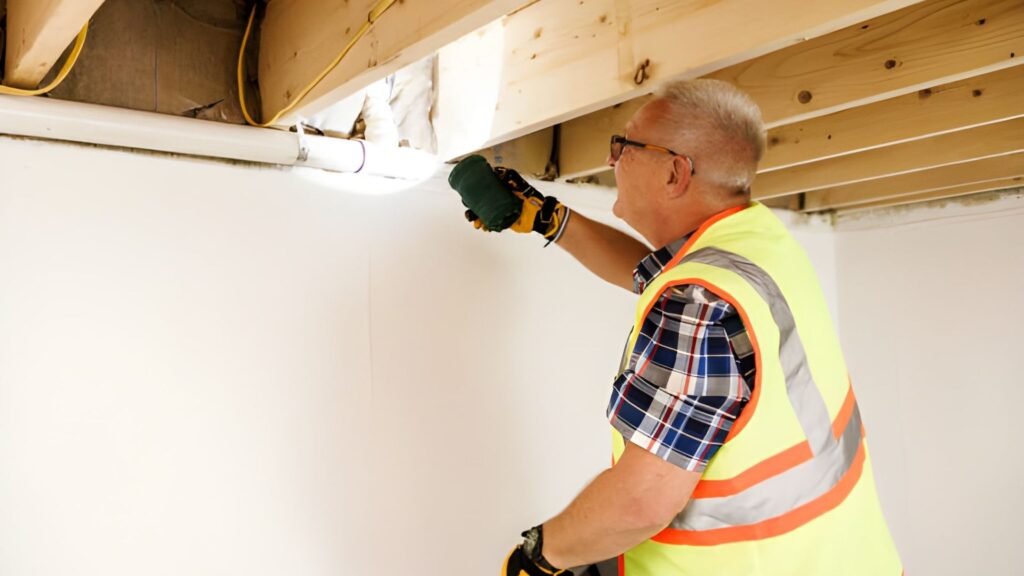
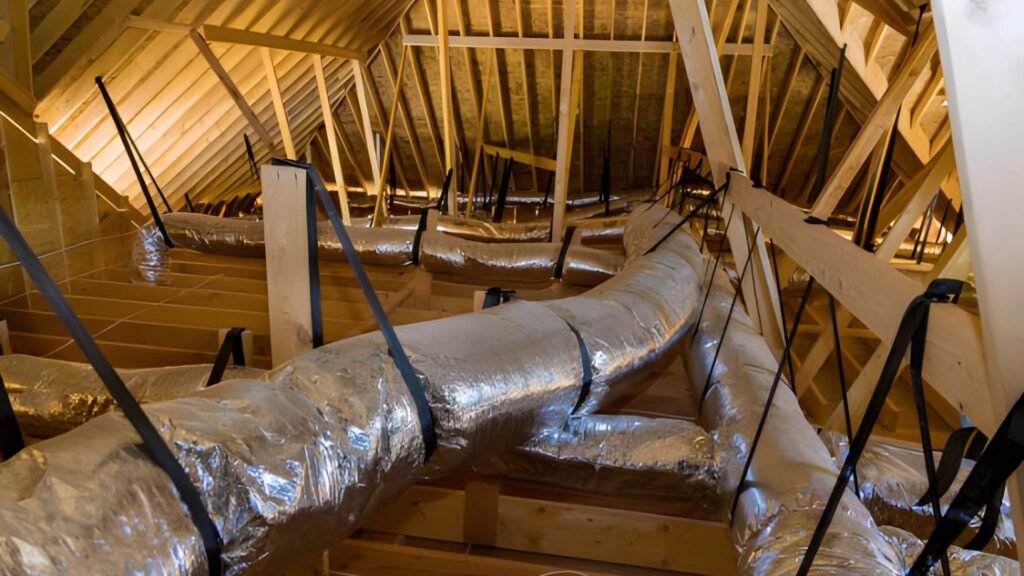
Professionally installed sleeves and pipe wrap last 15 to 20 years with minimal maintenance. A quick visual inspection before each Chicago winter is recommended: check for torn seams, compressed foam, or displaced covering at fittings and elbows. Exterior pipe wrap should be resealed where UV damage has loosened the tape or jacketing over time.
Pipe insulation is a foam, rubber, or fiberglass sleeve applied around water pipes to prevent freezing and reduce heat loss from hot water lines. In Chicago’s January average of 18.8 degrees Fahrenheit, unheated basement and crawl space pipes are at serious risk of freezing and bursting without protection.
Pipe lagging is another term for pipe insulation, most often used to describe wrap applied around boiler piping and steam lines. Qute Insulation provides thermal insulation pipe solutions covering both standard foam sleeves and heavier lagging materials for high-temperature applications.
Yes. Qute Insulation provides boiler pipe lagging services and boiler pipe insulation services using high-temperature fiberglass and urethane materials rated for steam and boiler piping, common in older Chicago and Joliet homes with legacy heating systems.
Search for a UL-rated, licensed installer who offers same-week estimates during freeze season. Qute Insulation provides pipe insulation near me coverage across Chicagoland and NW Indiana with free on-site assessments before any work begins.
Polyethylene foam sleeves are affordable, easy to install, and effective for freeze protection up to 200 degrees Fahrenheit. Fiberglass handles up to 840 degrees and is required for steam pipes and boiler lines in commercial properties across Joliet and Gary.
Yes, insulating AC refrigerant lines with closed-cell rubber foam prevents heat gain that reduces cooling efficiency. It also stops condensation from dripping onto ceilings and walls in Chicago buildings, where summer humidity creates significant condensation risk on uninsulated refrigerant piping.
Slide polyethylene foam sleeves over all accessible hot water supply lines from the water heater to each fixture. This reduces standby heat loss by up to 45 percent and qualifies for the Nicor Gas energy efficiency program for eligible Illinois homeowners in Flossmoor and Homewood.
Pre-slit polyethylene foam sleeves sized for copper or PEX pipe diameters provide reliable freeze protection and heat retention. For cold water copper pipes in humid basements across Crown Point and Gary, closed-cell rubber foam is preferred because it provides a vapor barrier that prevents condensation.
Professional installation costs $3 to $5 per linear foot in the Chicago metro area, with an average residential project running $300 to $800. High-temperature fiberglass or urethane for steam and boiler lines costs $6 to $12 per linear foot. The IRA Section 25C tax credit may cover up to $1,200 for qualifying projects.
Yes, closed-cell rubber foam creates a vapor barrier around cold water pipes that prevents warm humid air from condensing on the pipe surface. This eliminates dripping water on basement floors and framing in Homewood and Park Forest homes during Chicago’s humid summer months.
Frozen pipes and high energy bills from uninsulated supply lines cost you more every winter they go unaddressed. Qute Insulation brings experienced installers, UL-rated materials for every pipe type, and transparent pricing to Gary, Crown Point, Flossmoor, Homewood, Park Forest, Monee, and Joliet. Call 1-708-808-7870 for your free estimate today do not wait for the first freeze.