
Qute Insulation upgrades attics, walls, crawl spaces, and basements for homeowners across Lansing, Illinois. Air sealing, insulation removal, and full replacement are all handled by one local crew, from the Ridge Road district to the streets near Lansing Municipal Airport.
Lansing sits about 7 minutes (3 miles) north of our Lynwood headquarters, straight up Torrence Avenue. Being this close means next-day inspections are normal, and every job starts with a free thermal scan and a written quote.
Lansing grew from three settlements, Oak Glen, Bernice, and Lansing, that joined in 1893, then boomed with brick homes after World War II. The village even ran its own brickyards on local blue clay, so brick bungalows and ranches fill its streets. Solid as they are, most were never insulated to modern levels.
ENERGY STAR reports that air sealing plus insulation can trim heating and cooling bills by about 15%. Around Lansing, our thermal scans keep finding the same weak points:
Lansing’s postwar streets between Torrence Avenue and Burnham Avenue are lined with brick bungalows, Cape Cods, and ranches. Brick holds up for a century, but the wall cavities behind it are usually hollow. Dense-pack insulation fills them without touching the masonry.
The village’s oldest houses stand in its three founding areas, including the blocks around Ridge Road where the downtown runs along the ancient Lake Michigan sand ridge. Homes here from the late 1800s and early 1900s often have no wall insulation at all.
The same blue clay that fed Lansing’s brickyards also traps water against foundations today. Basements and crawl spaces across the village stay damp because of it. Encapsulation and closed-cell foam at the rim joists dry out those lower levels for good.
From the Ford Hangar side of town to the state line by Munster, one crew handles every insulation job a Lansing home can need. Your free thermal inspection decides which services below actually apply to your house.

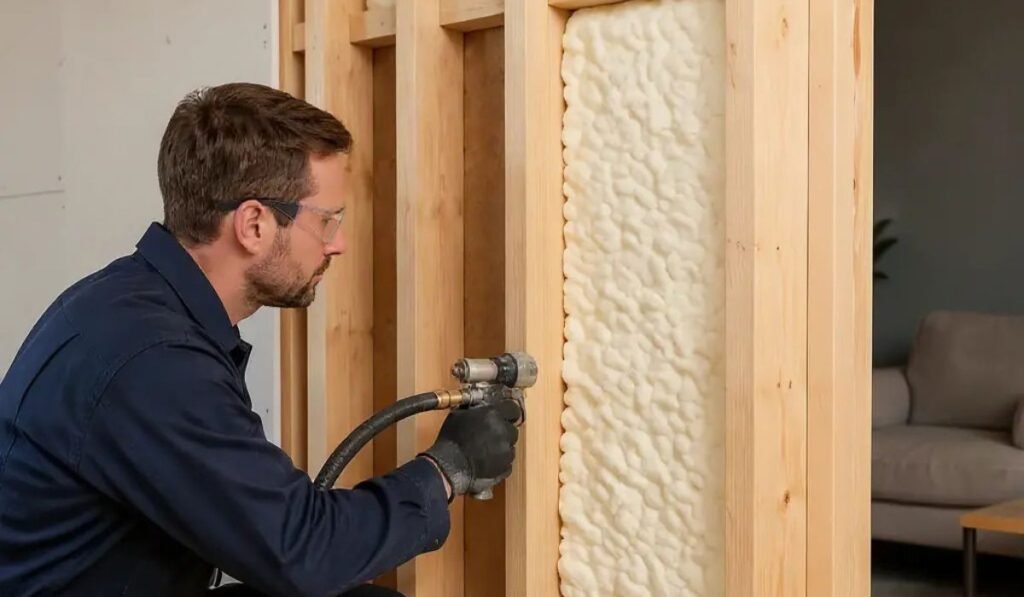
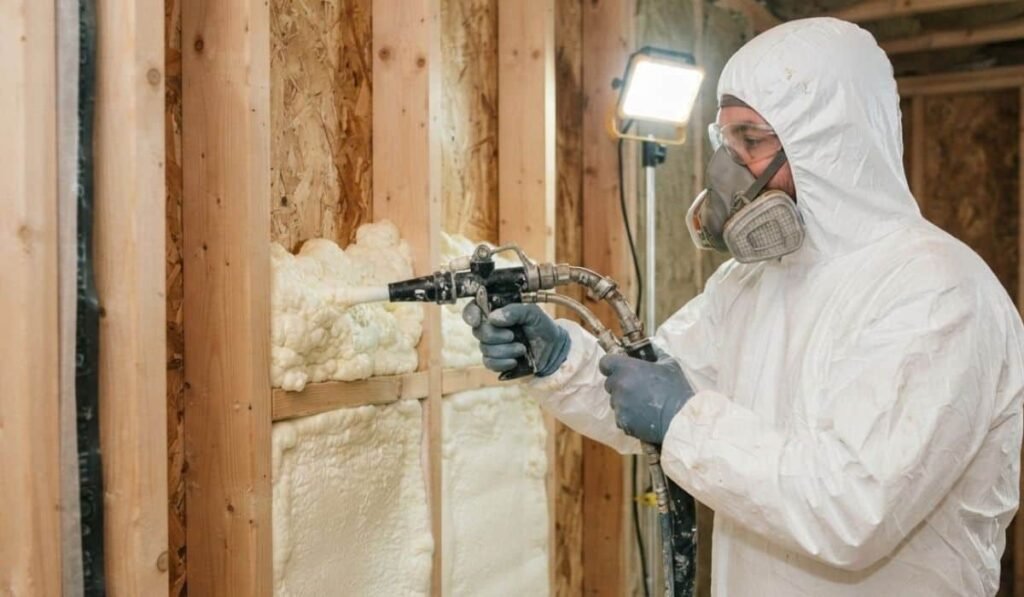
Where Lansing’s blue clay keeps crawl spaces and rim joists damp, closed-cell spray foam blocks both moisture and cold in a single application. Open-cell foam handles interior walls and quiets rooms in larger homes near the airport.
The hollow walls behind Lansing’s brick bungalows are exactly what dense-pack cellulose was made for. We inject it through small, patched openings, filling each cavity completely while the brick, plaster, and trim stay exactly as they were.

Insulation only performs when air stops moving through it. We seal every bypass, gap, and penetration in your Lansing home with foam, caulk, and mastic, then run a blower door test to prove the house tightened.

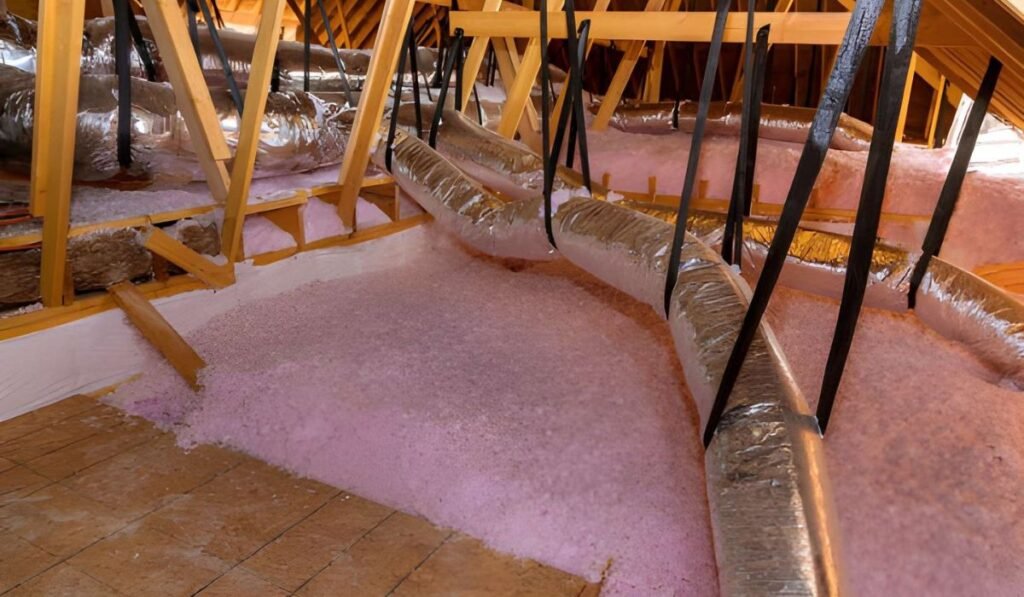
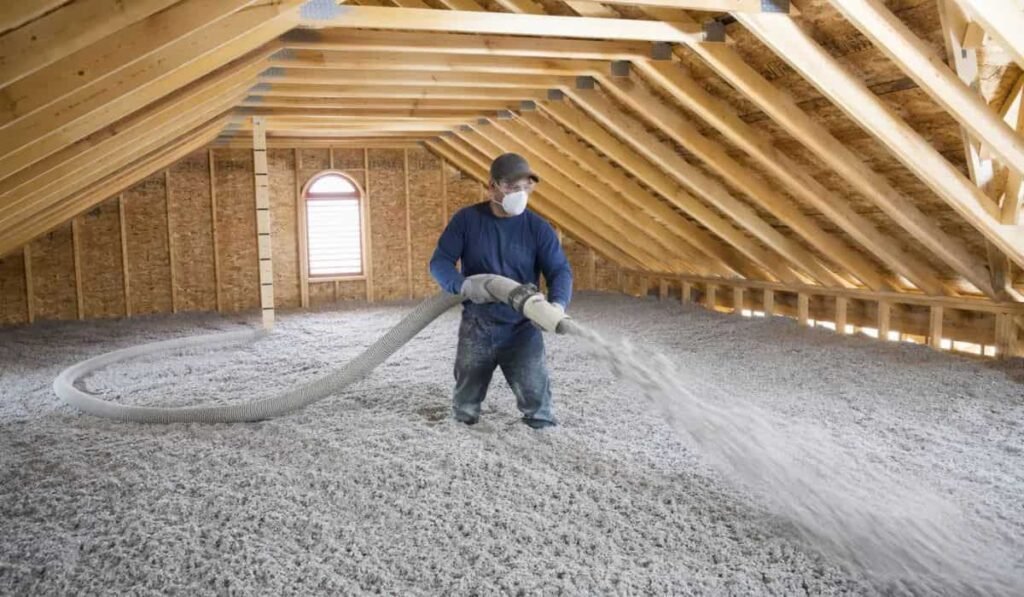
Lansing attics and open wall cavities get dependable, affordable coverage with fiberglass. Our batts and blown-in material are Class A fire-rated and formaldehyde-free, and a standard Lansing attic is typically done in one working day.

Old, damaged, or contaminated insulation comes out of Lansing attics and crawl spaces through HEPA-filtered vacuum systems, so dust never spreads through the living space. The emptied area is then sanitized, deodorized, and prepped for new material.

Rebate paperwork stops many Lansing homeowners from collecting money they qualify for. We manage the Nicor Gas and ComEd applications end to end, so the discounts land on your invoice instead of slipping away.

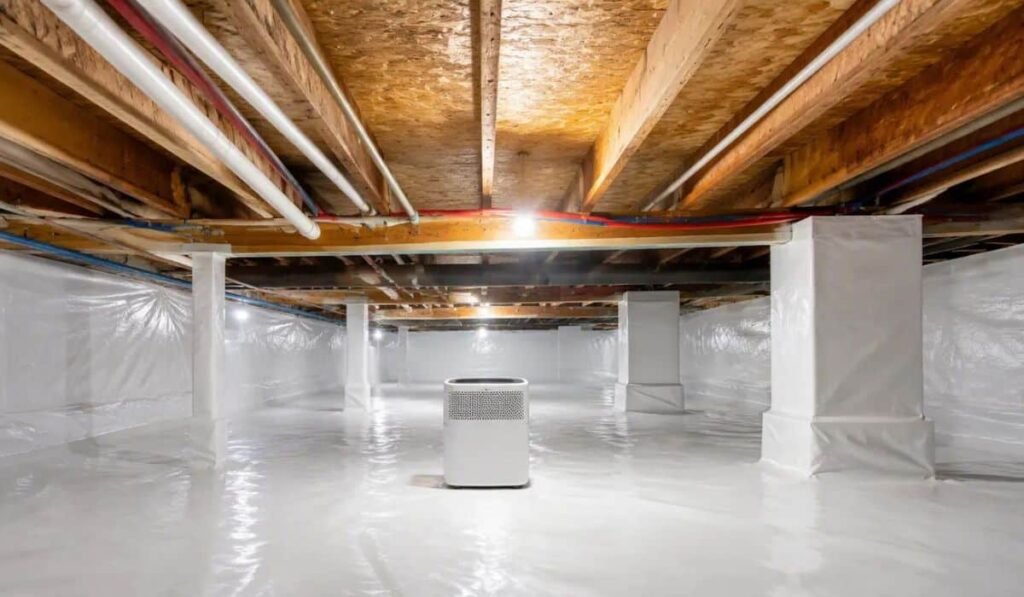
Blue clay under Lansing holds water against foundations year-round, which is why so many local crawl spaces smell musty. Full encapsulation seals a heavy vapor barrier across the ground and walls, ending the damp air and cold floors.

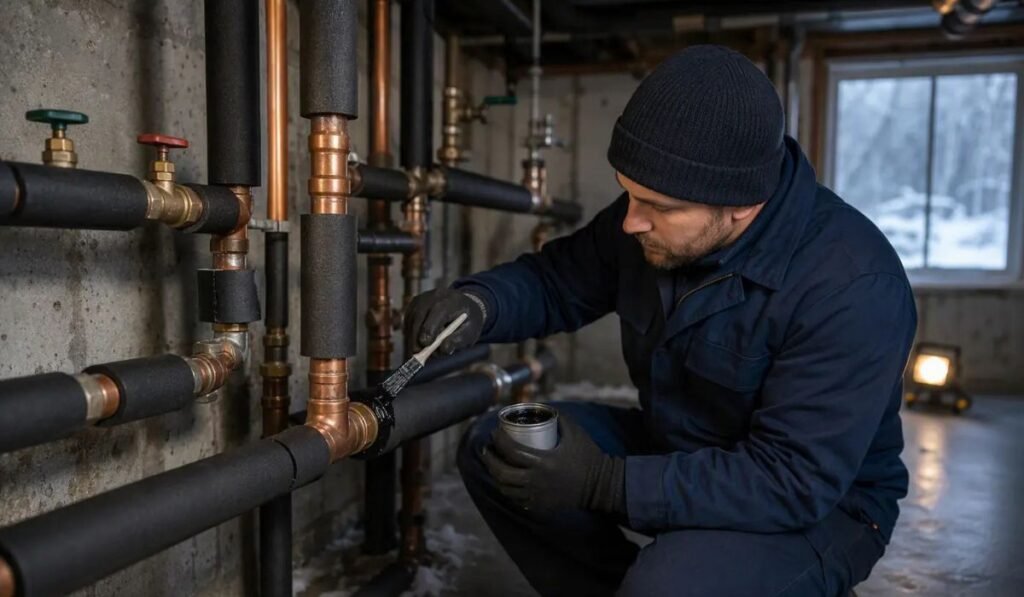
January cold snaps find every exposed pipe in Lansing attics, crawl spaces, and basements. Foam and fiberglass wrap protects hot and cold lines from freezing and bursting, and keeps hot water hot on its way to the tap.

Homes near Lansing Municipal Airport and the busy Torrence Avenue corridor deal with real outside noise. Dense acoustic insulation and open-cell foam in walls, floors, and ceilings quiet bedrooms, home offices, and media rooms noticeably.

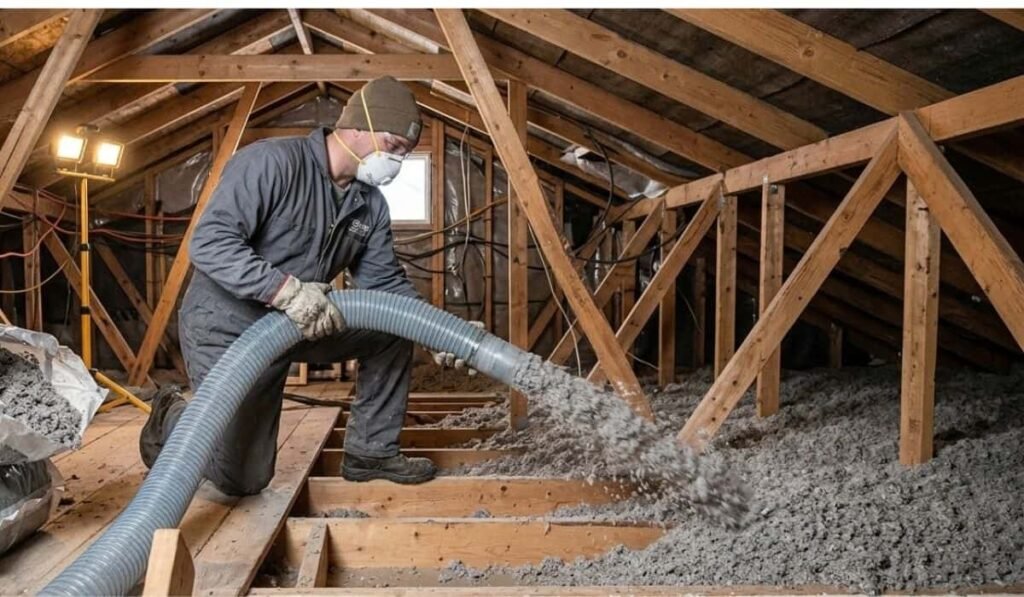
No upgrade pays back faster in Lansing than the attic. Whether the house is a 1950s brick ranch or a century home near Ridge Road, we bring the attic up to the R-49 to R-60 range this climate calls for.
Insulation in Lansing, IL typically runs $1.00 to $4.00 per installed square foot, with the material and the part of the house setting the price. A brick bungalow wall job and an airport-area ranch attic price out differently, which is why we quote from an inspection.
Blown-in attic insulation is the most affordable option, typically $1.50 to $3.50 per square foot. Closed-cell spray foam costs the most, around $2.00 to $4.00, and earns it in damp crawl spaces and rim joists. Removing old material typically runs $1.00 to $2.00.
Most Lansing homeowners see the project pay for itself through energy savings within three to seven years. Every quote we write is free, itemized, and based on your home’s actual measurements.
Lansing sits in Climate Zone 5, where the U.S. Department of Energy recommends R-49 to R-60 in the attic.
Postwar brick homes across the village commonly test at R-11 to R-19 up top, and the oldest houses in Oak Glen and Bernice often have bare walls. The distance between those numbers and the targets below is where your heating dollars go.
Area of Home | DOE Recommended R-Value (Zone 5) |
Attic/ceiling | R-49 to R-60 |
Walls (wood frame) | R-13 to R-21 |
Floors | R-25 to R-30 |
Crawl space walls | R-15 to R-19 |
Basement walls | R-15 to R-19 |
Your free inspection includes measuring what the house has now, so the recommendation fits your home and budget rather than a generic chart.
Three things matter for Lansing in 2026: the Nicor Gas and ComEd Home Energy Savings rebates, free weatherization through IHWAP for income-qualified households, and nothing federal, since the 25C tax credit expired on December 31, 2025. The local programs now carry all the savings.
Qualifying insulation gets discounted directly on your invoice through the Home Energy Savings Program, and air sealing earns up to $500 per household.
The conditions: the installer must be program-approved, and blower door tests plus attic photos are required before and after the work. Funds are limited yearly, so Lansing homeowners who book early collect the most.
IHWAP, the Illinois Home Weatherization Assistance Program, delivers insulation, air sealing, and HVAC work at no cost to households at or below 200% of the federal poverty line. Sign-up runs through local community action agencies, and we can point you to the right one.
It ended. The 25C credit expired on December 31, 2025, under the One Big Beautiful Bill Act, and IRS Fact Sheet 2025-05 confirms it does not cover 2026 installations.
The one exception: Lansing projects completed and placed in service during 2025 can still be claimed on the 2025 return using IRS Form 5695.
Posted on Google
 Terry Browne
Trustindex verifies that the original source of the review is Google.
I Received A Great Quote, & Derrick Is Very Professional,He Explained Everything In Detail, He Gets An A +++ 🙏Posted on Google Rod SpencerExcellent work and very professional. Blew installation into my split-level inside wall. Performed the job from the top level of the inside wall and the bottom. I highly recommend this company. 5 Stars *****Posted on Google
 Billy BurseGreat folks and great workPosted on Google
 Ellie CastilloI processed my request online and Derrick contacted me within minutes to schedule an in person quote he matched price and schedule the same week my work. Very responsible, professional and everything was done within hours they left my house cleaned and very happy with their job !!! 100% recommended!!Posted on Google
 Mark MaysAttic installation was done well and price was reasonable.Posted on Google
 Christine ZylstraAfter removing my attic insulation completely, cleaning and disinfecting, the team of professionals installed the new insulation in record time. They were very professional and thorough. I can feel the difference in one day. They were polite, helpful and cleaned up completely when the job was finished. I highly recommend this company.
Seven minutes up Torrence Avenue makes Lansing practically home turf for our crews. Here is what that closeness gets you.
For more than 15 years our crews have worked the south suburbs, and Lansing's housing is familiar ground: hollow-wall brick bungalows, century homes near Ridge Road, and ranches by the airport. We know where each one leaks before the scan confirms it.
Every installer on a Lansing job is licensed, insured, and trained to Spray Polyurethane Foam Alliance standards, and every project follows Illinois energy code.
You see the FLIR report and a written, itemized quote before anything is scheduled. The inspection is free, and there is no obligation attached to it.
If your Lansing home does not feel clearly more comfortable after the work, we return, inspect, and fix it at no charge. The guarantee is in writing on every project.
Different corners of Lansing need different work. These are the patterns we see most:
Lansing is in Cook County, IL, and part of South Suburban Chicagoland. Our coverage runs across the whole village, from the Ridge Road district to the airport side and the state line.
As a trusted local insulation contractor serving Lansing in Cook County, Qute Insulation proudly extends its services across the entire Chicagoland area.
Not sure if we serve your area? Call us, we cover a wide range of Chicagoland and Northwest Indiana communities.
A warmer house and smaller bills start with one call, whether you live off Ridge Road, in Oak Glen, or by the airport. Reach Qute Insulation for a free thermal inspection, straight answers about your options, and a written quote with no strings.
Yes, every part. Work takes us from the Ridge Road downtown to Oak Glen, Bernice, the airport side, and the state line blocks by Munster. Our base sits about 7 minutes (3 miles) south in Lynwood, straight down Torrence Avenue.
Plan around $1.50 to $3.50 per installed square foot, depending on material, depth, and how easy the attic is to reach. Most homes finish in one day, and the itemized quote costs nothing.
Yes. Nicor Gas and ComEd discount qualifying insulation right on the invoice and pay up to $500 for air sealing through approved contractors. Each year’s funds run out, so early applications collect the most.
The Department of Energy’s target for Climate Zone 5 is R-49 to R-60. Postwar Lansing homes usually measure R-11 to R-19 up there, which is why an attic top-up changes heating bills so noticeably.
Yes. The brick stays untouched because the insulation goes into the hollow wall cavity behind it, injected through small openings that get patched after. Lansing’s brick homes are some of our most common projects.
The blue clay under Lansing, the same clay that once fed the village brickyards, holds water against foundations. A sealed vapor barrier plus closed-cell foam at the rim joists cuts off that moisture and the musty smell with it.
It helps a lot. Dense acoustic insulation in exterior walls and ceilings, paired with tight air sealing, cuts the aircraft and traffic noise that reaches bedrooms and offices in homes near the airport and Torrence Avenue.
Being 7 minutes away, we usually inspect within 24 hours. Installation follows one to three business days after you approve the quote, though midwinter calendars fill fast, so booking a week out is smart then.
The house decides. Blown-in fiberglass or cellulose wins in attics, dense-pack cellulose wins inside hollow brick walls, closed-cell foam wins in damp crawl spaces, and air sealing improves every one of them.
No. The 25C credit expired December 31, 2025, so 2026 projects lean on Nicor Gas, ComEd, and Illinois weatherization programs instead. Only work placed in service during 2025 can still be claimed on the 2025 return.